How Teachers Can Prepare Their Classroom for a Student With Autism Before Term Starts
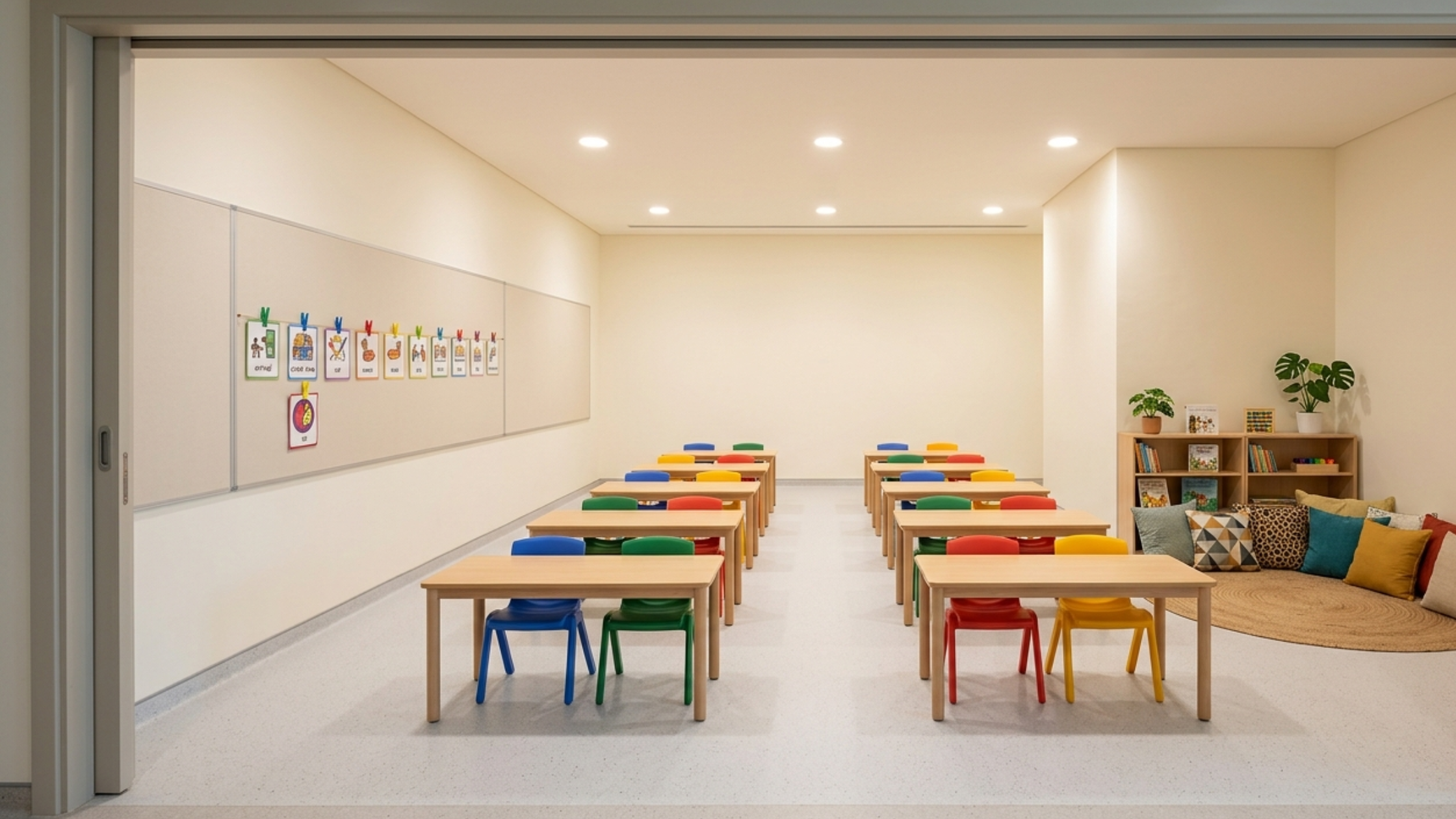
The two weeks before school starts are not just preparation time for families. They are the most valuable preparation window a teacher has all year. What you do in your classroom before the first child walks through the door on 25th August will shape how that child experiences the entire term.
For a student with autism, the classroom environment is not background detail. It is a clinical variable. The arrangement of furniture, the level of visual noise on the walls, the predictability of the daily structure, the existence of a safe space to retreat to when things feel like too much. All of these things either support the child's ability to regulate and learn, or they work against it.
This guide is for teachers who want to get this right before term begins.
Reduce Visual Clutter Before the Children Arrive
Walk into your classroom and look at the walls the way a child with sensory sensitivities would look at them. Bright displays covering every surface. Hanging mobiles. Competing colours and patterns in every direction.
For many children with autism, a visually overloaded classroom is exhausting to be in before the lesson has even started. Their brain is spending significant energy processing the visual input from the environment, which leaves less capacity for the learning you are trying to facilitate.
Before term starts, strip the walls back. Put up what is genuinely useful and leave the rest empty. A clear visual schedule. A simple set of classroom expectations in pictures or words. The alphabet or number line if your children need it. That is enough. You can add things as the term progresses and you understand how your class responds.
Set Up a Calm Corner
Every classroom that includes a student with autism should have a designated quiet space. Not as a consequence or a place to send a child who is misbehaving. As a proactive resource any child can access when they feel overwhelmed.
This does not need to be elaborate. A beanbag in a corner. A small tent or den. A section of the room partially screened by a low bookshelf. Something that signals visually that this space is different from the rest of the classroom, lower demand, lower sensory input, a place where the only expectation is to regulate.
Set this up before term starts and introduce it to the whole class on the first day as a resource for everyone. When it is normalised from the beginning, using it carries no stigma.
Create a Visual Schedule and Put It Where the Child Can See It
Children with autism often manage transitions better when they know what is coming next. A visual schedule posted at eye level, showing the sequence of the school day in pictures or simple words, gives a child a way to orient themselves without relying on verbal reminders from you.
Before term starts, make this schedule and put it up. Even if you do not know the exact timetable yet, a rough sequence covering arrival, lessons, break, lunch and home time is enough to start with. The specific content matters less than the existence of a reliable visual roadmap the child can refer to at any point during the day.
Think About Seating Carefully
Where a student with autism sits in a classroom affects their ability to regulate and learn significantly.
A desk near the door allows for easy exit if the child needs a break without disrupting the class. Away from the window if bright sunlight is a sensory trigger. Close enough to the front to reduce the visual noise of other children between the child and the board. Not so close that the proximity to the teacher feels pressured.
If you have information about the specific sensory sensitivities of the student joining your class, use it to inform the seating plan before they arrive. It is much easier to start in the right place than to move a child after they have established a sense of where they belong.
Read Whatever the Previous Teacher Has Passed On
Before term starts, find out if there is a handover from last year. Notes from the previous teacher. An IEP from the previous year. Any observations from a learning support assistant about what helped and what did not.
This information is invaluable and it is often sitting in a file somewhere that nobody thought to mention. Ask specifically. The child's previous teacher spent a year learning what works for that child. You do not need to start from zero if you do not have to.
Make Contact With the Family Before the First Day
A brief email or message to the family of a student with autism before term starts costs you ten minutes and buys an enormous amount of goodwill. Introduce yourself. Let them know you are looking forward to working with their child. Ask if there is anything important you should know before the first day.
Parents of children with autism have almost always spent years advocating for their child in school settings. Hearing from a teacher who is proactively reaching out before the year has even started tells them something important about how this year is going to feel.
How NeuroCore Supports Schools in Dubai
If your school is building its inclusive practice and you want to understand how ABA principles can inform your classroom approach, NeuroCore's clinical team works directly with schools and teachers across Dubai.
If you have concerns about a student's development, consult your school's learning support team or encourage the family to speak with our BCBA or their pediatrician.