How to Prepare Your Child With Autism for Back to School
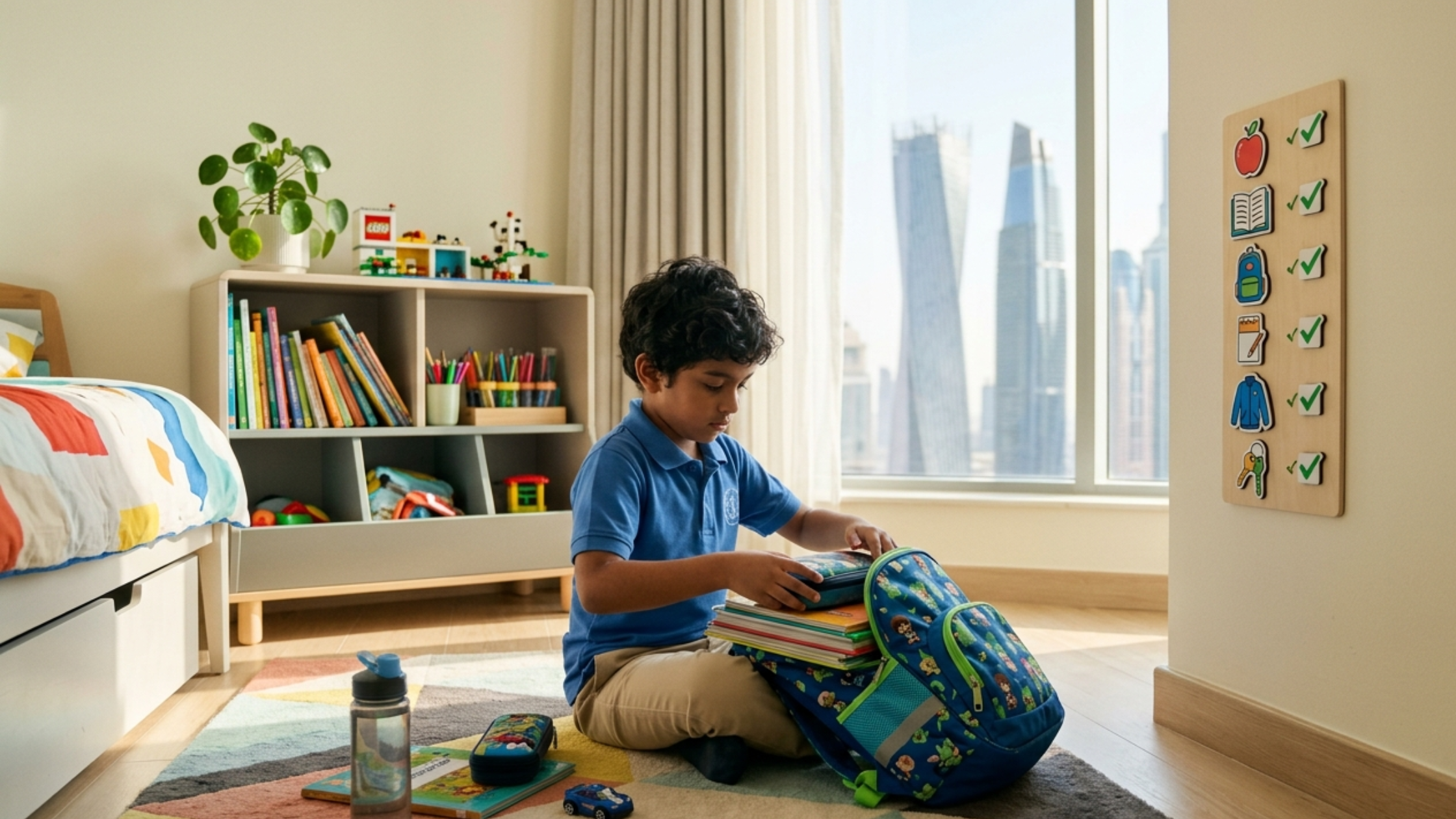
School starts on 25th August. If that date is sitting somewhere in the back of your mind with a mix of hope and dread, you are not alone. For families of children with autism, the return to school is one of the most significant transitions of the year. The weeks before it happen to be the most important ones.
What you do now, in the days before school starts, matters more than most people realise. A child who arrives on the first day having had some preparation will have a very different experience from one who arrives cold. This guide walks you through exactly what to do this week and next.
Start Talking About It Now
Children with autism often do better with transitions when they have had time to process what is coming. That processing takes longer than it does for neurotypical children, and it works best when the information is concrete and visual rather than abstract and verbal.
Start mentioning school in ordinary conversation this week. Not in a big, pressured way. Just weaving it in. We are going to visit the school on Thursday so you can see your classroom. School starts in eleven days. Your teacher this year is called Mrs Ahmed.
If your child has questions, answer them simply and honestly. If they do not ask questions, that is fine too. The goal is familiarity, not enthusiasm.
Visit the School Before the First Day
If your child's school offers an orientation visit or an opportunity to walk around before term starts, take it. If they do not offer one formally, it is worth contacting the school directly and asking whether you can come in for a short visit.
Walking through the entrance, seeing the classroom, sitting at a desk, finding the bathroom, walking the route from the gate to the classroom. All of these small acts of familiarisation reduce the number of unknowns on the first day. And it is the unknowns that tend to tip a child into dysregulation.
If a visit is not possible, photographs of the classroom, the playground, the school entrance and the teacher work almost as well. Make a simple visual booklet your child can look through in the days before school starts.
Re-establish the School Routine Now
If your household has been running on summer time, which means later mornings, less structure and more screen time, now is the time to start shifting back.
Do not try to make the jump overnight. Move the wake-up time forward by fifteen or twenty minutes every couple of days. Reintroduce the morning routine in the same sequence it will follow on school days. Start having meals at school-day times.
A child who has been waking at nine and is expected to be dressed and ready by seven thirty on 25th August is being set up for a very hard first week. A child who has been at seven fifteen for the past ten days will find the transition significantly more manageable.
Prepare the Practical Things Together
Getting your child involved in the practical preparation for school is one of the most effective things you can do. Not because it makes everything more fun, but because involvement creates a sense of ownership and agency over something that can feel completely outside their control.
Let them choose their water bottle if there is a choice. Let them pack their bag using a checklist. Let them pick which pencil case they want. These are small things but they shift the child from a passive recipient of the school experience to someone who has had some say in how it begins.
Check in With the School About This Year
If your child has support needs the school is aware of, make contact with the SENCO or learning support team before term starts. Ask who your child's teacher will be. Ask whether the classroom has changed. Ask whether there are any new staff working with your child this year.
If your child had an IEP last year, ask about its status for the new year and when it will be reviewed. The more information you have going in, the more prepared you will be to support your child through the first weeks.
Have a Plan for After School
The after-school period is one of the most consistently difficult times for children with autism during the first weeks of term. They have spent hours regulating themselves in a demanding environment. When they get home, that regulation often collapses.
Plan for it. Have something calming ready when they walk through the door. A preferred snack, a quiet space, a screen if that is what helps them decompress, no demands for at least thirty minutes. Do not use the after-school period to ask how the day was or to go through the school bag.
They need to recover before they can re-engage. Giving them that space is not indulgence. It is clinical common sense.
How NeuroCore Can Help
If you are heading into the new school year and your child's anxiety or behaviour around school is a significant concern, our clinical team is here to help you build a specific plan for the transition ahead.
If you have concerns about your child's development, consult our BCBA or your pediatrician.