Generalisation is the goal that ABA therapy is ultimately working toward. A skill that a child can only perform in a specific therapy setting, with a specific therapist, using specific materials, at a specific time of day, is a skill that has been partially learned. The full acquisition of any skill requires that it appears across the range of settings, people, materials, and times where it is actually needed in the child’s real life.
Understanding the different types of generalisation and how to programme for each of them from the beginning of treatment is one of the marks of genuinely competent ABA practice.
The Types of Generalisation
Stimulus generalisation occurs when a behaviour learned in response to one stimulus begins to occur in response to similar stimuli. A child who has learned to request a specific toy by name begins to use the same requesting behaviour for other toys they want. A child who has learned to follow instructions from their ABA therapist begins to follow similar instructions from their teacher and their parents.
Response generalisation occurs when the behaviour of the learner changes beyond the specific response that was reinforced. A child who has been taught to greet people with a wave begins to also say hello without being specifically taught the verbal greeting alongside the wave.
Maintenance refers to the continued occurrence of a learned behaviour over time, after the intensive teaching phase has ended. A skill that is not maintained is effectively lost, even if it was thoroughly learned during the teaching phase.
Setting generalisation occurs when a behaviour learned in one environment begins to appear in other environments. This is one of the most clinically significant and most commonly problematic types of generalisation. Skills learned in therapy sessions that do not appear in the classroom, at home, or in the community represent incomplete generalisation.
Why Generalisation Does Not Happen Automatically
A common assumption is that once a skill is learned, it will naturally generalise. In practice, this assumption is often wrong, particularly for children with autism.
Generalisation requires the learner to recognise the relevant similarity between the new setting and the training setting and to respond accordingly. For children with autism, who often process stimuli in highly specific and context-bound ways, this transfer of learning does not always occur without deliberate support.
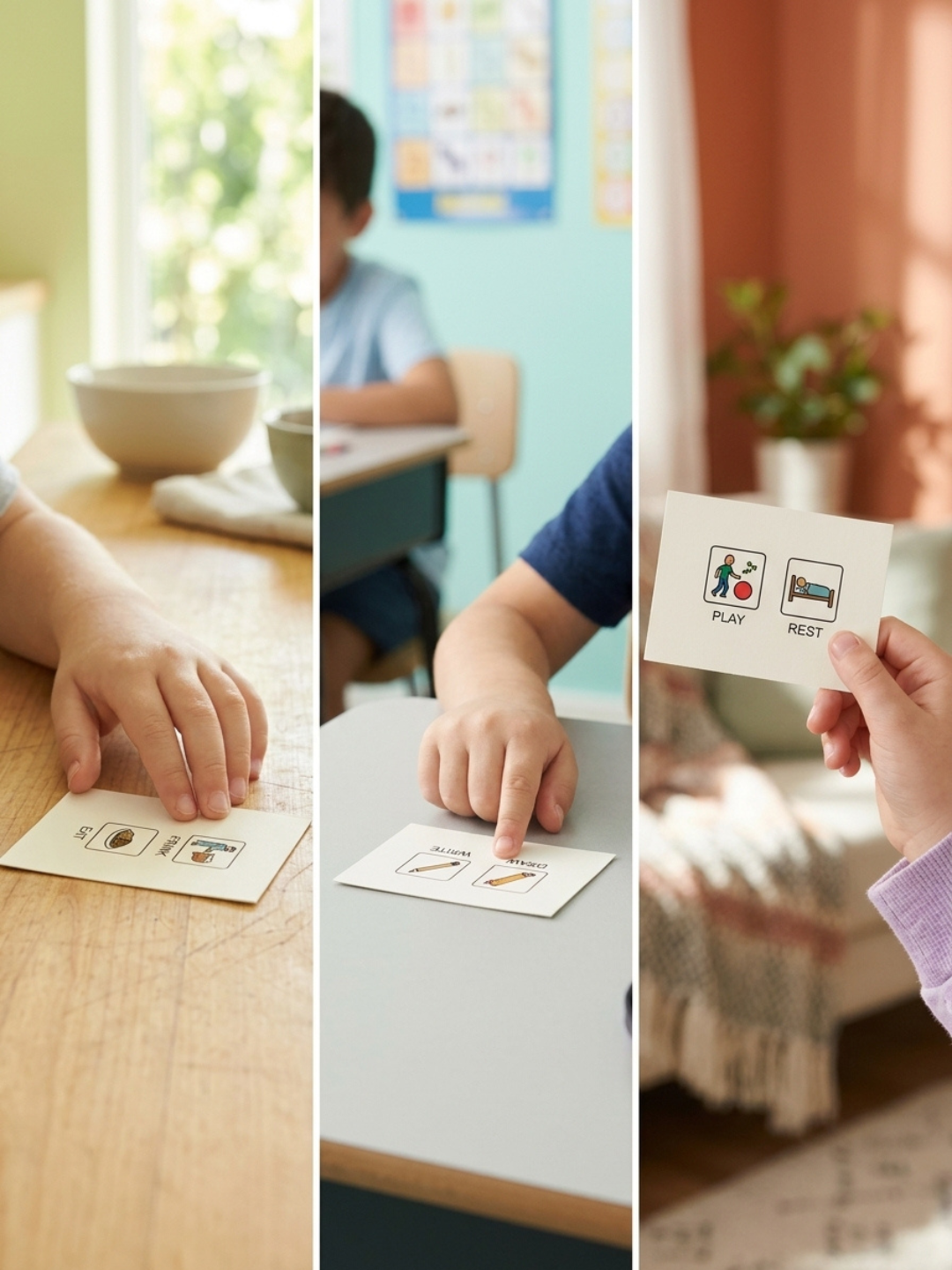
A child who has learned to use a picture card to request a snack in their living room during therapy may not spontaneously use the same card in the school cafeteria, or when visiting grandparents, or in any other setting. The card, the request, and the snack are connected in the child’s learning to a specific context. Generalisation requires that connection to extend to new contexts, and for many children with autism, this extension needs to be explicitly taught rather than assumed.
How to Programme for Generalisation
Generalisation should be planned for from the first day of treatment, not added as an afterthought when a skill has been learned in one setting.
Use multiple exemplars. From the beginning of teaching a skill, use a variety of materials, settings, and instructors rather than only one of each. A child who learns colour identification using one specific set of colour cards has learned to identify colours with those cards. A child who learns using multiple different sets of colour items generalises the concept across materials.
Teach in natural settings. The closer the teaching environment is to the environment where the skill needs to be used, the less generalisation work is required. Teaching a child to wash their hands in their own bathroom using their own soap and towel requires less generalisation than teaching the same skill at a therapy table and then expecting transfer.
Vary the people who deliver instruction. A skill that is only ever taught by one person is at risk of becoming under the stimulus control of that person. Including parents, teachers, and other family members in the teaching process from early in the programme builds generalisation across people.
Plan specific generalisation probes. At regular intervals, test whether the skill is appearing in settings and with people it has not been specifically trained with. If it is not, adjust the programme to directly target those environments and people rather than continuing to practise only in the training context.
Visit our IBT and ABAT Training page to learn more or enrol now and find out when our next live sessions are scheduled.