What In-Home ABA Therapy Looks Like (And Why It Works)
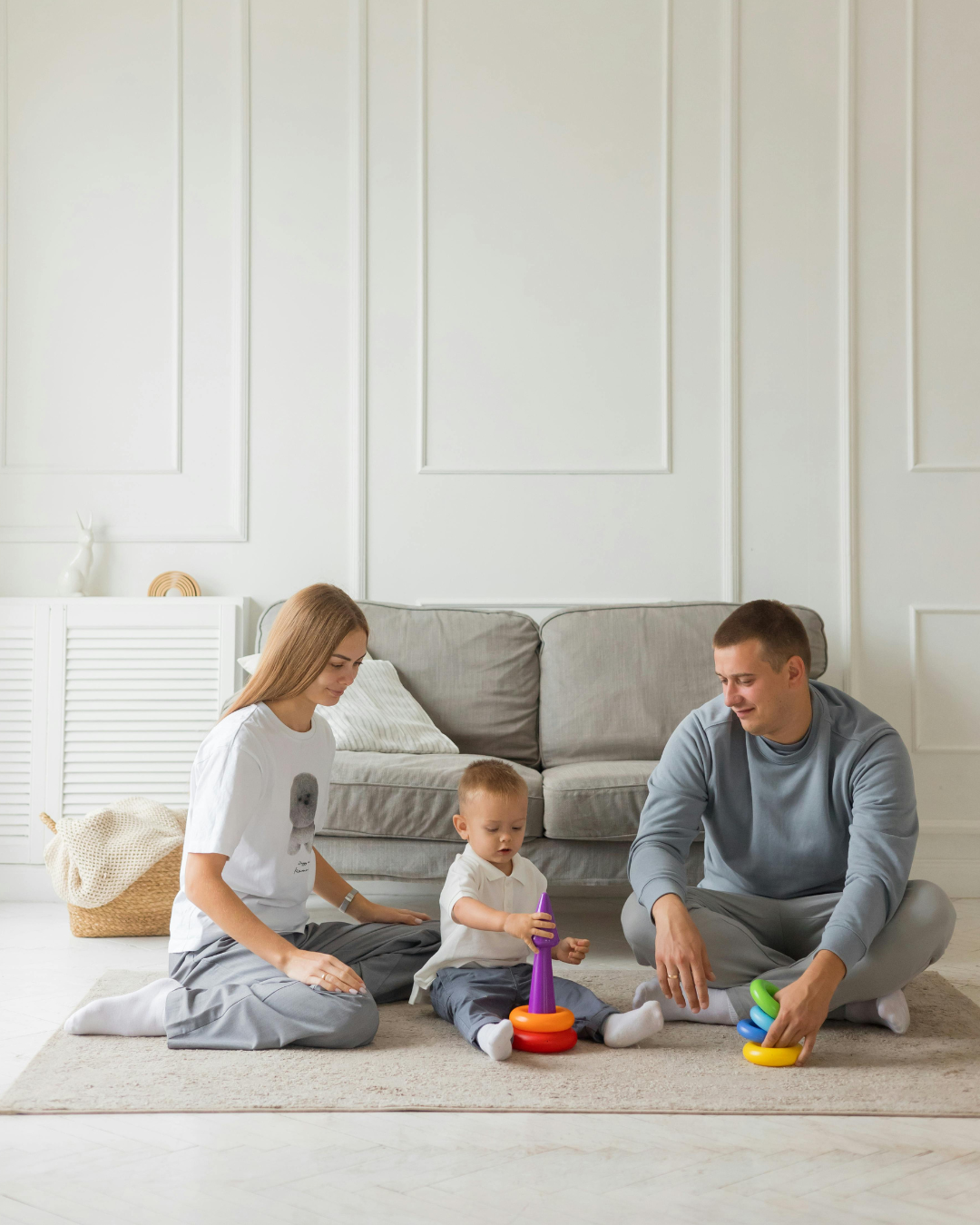
If you've recently searched "ABA therapy at home near me," you're probably trying to figure out one thing: what actually happens when a behavior therapist comes into your house? It's a fair question. For many families, the idea of inviting a therapist into their daily routine feels different, more personal , than scheduling a clinic visit. That's exactly the point.
At NeuroCore, we deliver evidence-based, individualized Applied Behavior Analysis (ABA) therapy directly into the environment where your child eats breakfast, throws tantrums, plays with siblings, and gets ready for school. This guide walks through what a real in-home ABA session looks like, why it works so well, and how to know if it's the right fit for your family.
What Is In-Home ABA Therapy?
In-home ABA therapy is a form of Applied Behavior Analysis delivered in a child's natural home environment rather than a clinic or center. A Board Certified Behavior Analyst (BCBA) designs an individualized treatment plan, and a trained Registered Behavior Technician (RBT) implements that plan during one-on-one sessions in the home.
Unlike clinic-based therapy, which asks a child to generalize new skills from an artificial setting back into real life, in-home ABA skips that extra step. The skills are built where they're needed most — at the kitchen table, in the bathroom during toothbrushing, in the living room during a sibling disagreement, or right before the chaos of leaving for school. At NeuroCore, this is the foundation of how we structure care.
What Does a Typical NeuroCore In-Home ABA Session Look Like?
Every child's plan is different, but most in-home sessions follow a similar rhythm:
1. Warm-up and rapport building. The session usually starts with a few minutes of connection — a favorite toy, a quick game, or a preferred activity. This isn't wasted time; it's how the therapist builds trust and motivation before asking for harder work.
2. Skill-building activities. This is the core of the session. Depending on the child's goals, this might include communication drills, toilet training support, feeding therapy, social skill practice with a sibling, or learning to follow multi-step instructions like "get your shoes and put them by the door."
3. Naturalistic teaching during real routines. A major advantage of in-home ABA is embedding teaching into things that are already happening , mealtime, getting dressed, transitions between activities. Our therapists aren't simulating real life; they're working inside it.
4. Data collection. Every session includes ongoing data collection on target behaviors and skills. This data drives clinical decisions and is reviewed regularly by the supervising BCBA to adjust the plan as the child progresses.
5. Parent coaching. Strong programs build in time to coach parents and caregivers directly, so strategies don't disappear when the therapist leaves. This is one of the biggest predictors of long-term success, and it's a core part of how NeuroCore designs every plan.
Why In-Home ABA Often Works Better Than Clinic-Based Therapy
1. Skills transfer immediately
A child who learns to request a snack appropriately in a clinic room may not automatically do the same thing in their own kitchen. In-home therapy removes that gap entirely — the skill is learned and used in the same place.
2. Real triggers, real solutions
Tantrums at bedtime, meltdowns during transitions, or refusal at the dinner table often don't show up in a clinic setting. NeuroCore therapists see these challenges firsthand and build interventions around the actual triggers your family deals with every day.
3. Family involvement is built in
Parents and siblings are part of the environment, not visitors to a session. This makes it far easier for caregivers to learn strategies, ask questions in real time, and stay consistent once the therapist leaves.
4. Lower stress, fewer transitions
For many children with autism, transitions and unfamiliar environments are themselves a source of dysregulation. Removing the stress of travel and a new clinic setting allows therapy to start from a calmer, more regulated baseline.
5. Greater flexibility for schools and routines
In-home and in-school ABA can be coordinated around your family's actual schedule, rather than your family adapting to a clinic's hours. NeuroCore offers both home and school-based support so care follows your child, not the other way around.
What Makes ABA "Evidence-Based"?
Applied Behavior Analysis is recognized by the U.S. Surgeon General, the American Academy of Pediatrics, and numerous peer-reviewed studies as an effective, evidence-based treatment for autism spectrum disorder. Quality, modern ABA — the kind we practice at NeuroCore — is individualized, play-based where appropriate, focused on functional life skills, and supervised closely by a BCBA rather than run purely on rigid drills. We believe families deserve compassionate, child-led approaches with measurable outcomes, not one-size-fits-all programming.
Is In-Home ABA Right for Your Child?
In-home ABA tends to be an especially strong fit for:
Toddlers and young children just starting therapy, where building comfort and trust matters most
Children with significant transition difficulties or sensory sensitivities
Families who want hands-on parent training as part of the plan
Households juggling multiple kids, where therapy needs to fit into a busy real-life schedule
Children who need support generalizing skills they've already learned elsewhere
What to Ask When Choosing an In-Home ABA Provider
Before starting services, it's worth asking any provider:
Is the program supervised directly by a BCBA, and how often?
What does a typical session structure look like?
How is progress measured and shared with parents?
How are sessions adjusted as my child grows and changes?
Do you offer support across home, school, and community settings?
At NeuroCore, we're happy to walk through every one of these questions with you before you commit to anything.
Getting Started with NeuroCore
Starting ABA therapy can feel overwhelming, but it doesn't have to be. Our team will walk you through an initial assessment, explain how goals are set, and build a plan around your child and your home, not a generic template.
If you're exploring in-home ABA therapy for your child, the most important first step is simply having a conversation with our team. We're here to answer your specific questions and explain what services would look like for your family.
This article is for general informational purposes and is not a substitute for individualized clinical advice. If you have concerns about your child's development, consult with our BCBA.