Practical Strategies for Building Social Confidence in Children
Social confidence is one of the most sought-after outcomes for families supporting a neurodivergent child and one of the most misunderstood. It is not about teaching a child to perform socially on demand, to make eye contact on command, or to participate in group settings before they feel ready. True social confidence is something far more meaningful: it is the internal sense of safety and agency that allows a child to engage with others on their own terms, in ways that feel authentic and manageable to them.
At NeuroCore, we help children across Dubai develop genuine social connections by building on their unique communication styles, personal comfort zones, and individual strengths rather than measuring them against a neurotypical standard they were never designed to meet.
The Foundation: Teaching Self-Advocacy First
Many children struggle in social settings not because they don't want to connect, but because they lack the language or the agency to manage what they're feeling in the moment. They don't yet have a reliable way to say "I need a break," "this is too loud for me," or "I'm not ready to join yet." Without these tools, social situations become unpredictable and overwhelming and avoidance becomes the only available strategy.
At NeuroCore, we begin by teaching children functional communication that gives them real power over their social experience. When a child knows they can step away from a loud game, ask for quiet time, or signal that they've reached their limit and that those signals will be respected something important shifts. Their anxiety decreases, and their genuine willingness to engage with others increases.
We build these skills through structured role-play, environmental scaffolding, and consistent practice in real-life settings, ensuring that each child feels genuinely empowered to protect their own nervous system while still exploring new social landscapes at a pace that works for them.
Strategy One: Side-by-Side Engagement
For many neurodivergent children, direct face-to-face interaction carries a high cognitive and emotional load. The expectation of sustained eye contact, reciprocal conversation, and real-time social processing all happening simultaneously can be genuinely dysregulating and can make direct peer interaction feel more threatening than enjoyable.
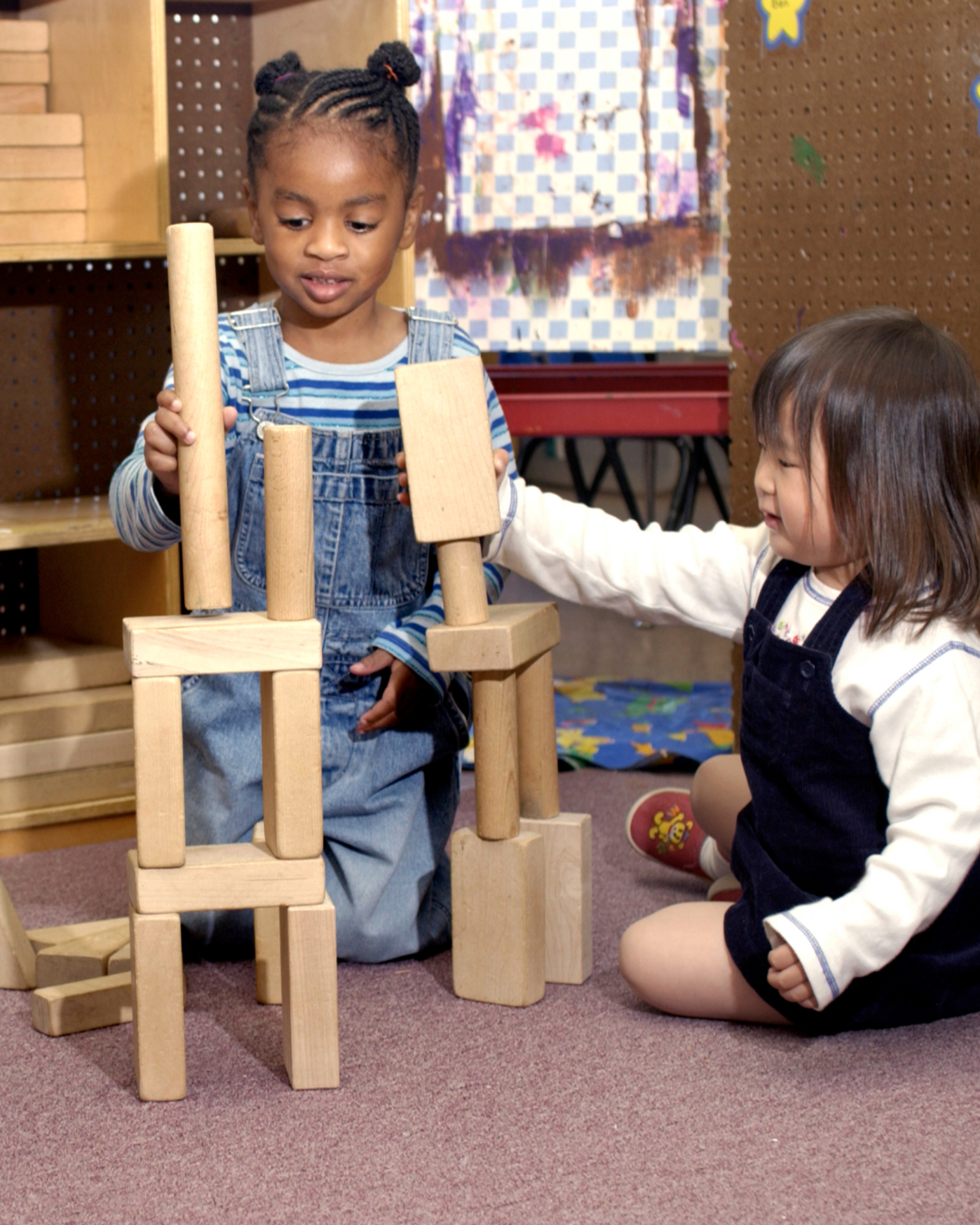
NeuroCore therapists use a technique called side-by-side engagement to reduce this pressure. Rather than facilitating direct face-to-face interaction, we create opportunities for children to engage around a shared activity building with blocks, drawing, exploring a sensory bin, or working on a puzzle together. The focus is on the activity, not on the social performance.
This parallel structure removes the pressure to "be social" in a conventional sense while still creating the conditions for natural, low-pressure connection to develop organically. Over time, these shared moments of focused play become the building blocks for more complex, confident social experiences.
Strategy Two: Honouring Individual Social Rhythms
Social confidence looks different for every child — and that difference deserves to be genuinely respected, not simply tolerated. Some children are quiet observers for an extended period before they choose to join an activity. Others engage in short, intense bursts before needing to step back and recharge. Both are valid and meaningful ways of navigating the social world.
At NeuroCore, our clinical approach is to observe each child's unique social rhythm carefully and provide precisely the right level of support to help them extend their comfort zone without pushing them beyond what their nervous system can manage at that moment. We create inclusive environments where there is no single "correct" way to be social, and where a child's authentic personality is given the space to emerge naturally.
By removing the pressure to conform to neurotypical social standards, we allow children to build confidence in ways that are real and sustainable rather than performed and fragile.
Strategy Three: Building Through Shared Interests
One of the most reliable pathways to genuine social connection for neurodivergent children is through shared interests. A child who feels deeply passionate about a specific topic, game, or activity is far more likely to initiate and sustain social interaction in that context than in a generic social setting with no natural hook.
NeuroCore therapists identify and leverage each child's interests as the vehicle for social skill-building. A child who loves trains, for example, can practice turn-taking, communication, and collaboration far more naturally within the context of a train-themed activity than in an abstract social skills exercise. The interest becomes the bridge and the social skills develop alongside it.
How NeuroCore Supports Social Development in Dubai
If you are looking to support your child's social growth, NeuroCore's clinical team is here to partner with you every step of the way. We work with families across Dubai to identify the specific environments, strategies, and social contexts that allow each child to genuinely thrive and to move away from the stress of forced social expectations toward a model that celebrates individual agency and authentic connection.
Our goal is a future where your child feels confident, capable, and connected in the ways that feel most meaningful to them.
If you have concerns about your child's development, consult our BCBA or your pediatrician.