Understanding and Managing Mealtime Meltdowns
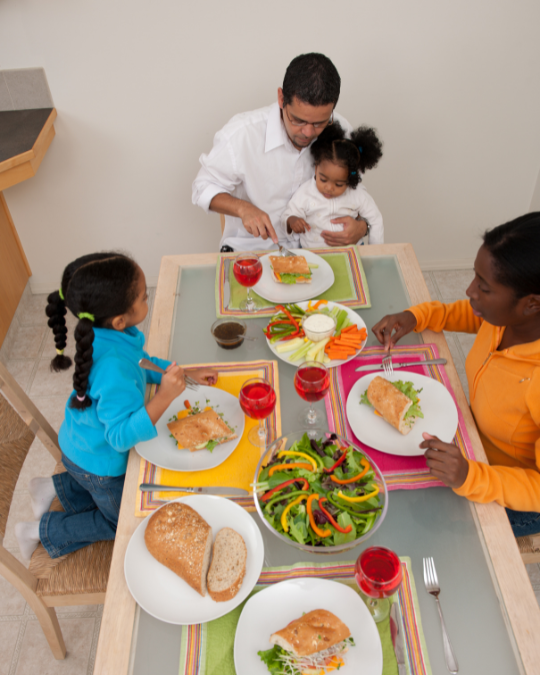
Mealtime is often one of the most dysregulating periods of the day for children with sensory differences. It asks a child to simultaneously navigate complex sensory input, executive functioning demands, and social expectations all at once, at a fixed time, with little room for flexibility. When a child experiences a mealtime meltdown, it is rarely a reaction to the food itself. At NeuroCore, we understand these moments as a signal that a child's nervous system has reached a threshold of overload.
From a neuro-affirming clinical perspective, mealtime outbursts are a manifestation of the body's natural fight, flight, or freeze response triggered by an environment that feels unsafe, overstimulating, or pressure-filled. Our role is not to view these moments as behavioral challenges that require discipline, but as critical feedback telling us that the current demands whether the social pressure to eat, the texture of a specific food, or the sensory environment of the table itself are misaligned with what the child's nervous system can manage at that moment.
Step One: Conduct a Sensory Audit of Your Mealtime Environment
The kitchen and dining area are often a sensory minefield. Competing sounds like clinking cutlery, harsh overhead lighting, or the overlapping aromas of multiple dishes being prepared can each contribute to a child's cumulative stress — often before the meal has even started.
The first step NeuroCore takes with families experiencing mealtime distress is a careful observation of when the meltdown typically occurs. Is it during the food preparation phase? When the plate is placed in front of the child? After a specific amount of time at the table? Identifying the precise trigger allows us to address the actual source of stress rather than the surface behavior.
Simple environmental modifications can make a meaningful difference: dimming the lights, using a quieter room, reducing background noise, or providing noise-canceling options. These adjustments lower the child's overall arousal level, creating a physiological state that is conducive to eating — rather than survival.
Step Two: Pause and Pivot — Don't Push Through
When a meltdown occurs, the priority shifts immediately to co-regulation, not continuation of the meal. Attempting to coax or instruct a child to eat while they are in a state of high arousal is not only ineffective, it actively reinforces the association between mealtimes and stress, making future meals harder, not easier.
NeuroCore advocates for what we call a "pause and pivot" approach: acknowledging the child's distress, removing the pressure to eat, and providing the sensory support they need to regain balance. This might mean stepping away from the table entirely, engaging in a grounding activity, or simply creating a quiet, low-demand space where the child can feel safe again.
By prioritizing nervous system recovery over the completion of a meal, we send a clear message, that the child's physical and emotional safety matters more than the task at hand. This is the foundation of the long-term trust that makes progress possible.
Step Three: Identify the Hidden Demands
Not all of the stress at the table comes from the food. For many children, the pressure to conform to social expectations ,sitting still for a fixed period, using specific utensils, maintaining conversation, or simply performing at the table, can be as taxing as the eating itself.
For a child with sensory processing differences, sitting in an uncomfortable chair or feeling the weight of family expectations at dinnertime can be genuinely exhausting. NeuroCore recommends evaluating and reducing these hidden demands: allowing more freedom of movement, offering alternative seating that provides better physical stability, or scaling back the social expectations placed on a child during the meal.
When the performance aspects of mealtime are removed, what remains is a more inclusive, low-demand environment, one where a child is far more likely to participate comfortably and at their own pace.
Reframing What Success at the Table Looks Like
Managing mealtime meltdowns ultimately requires a fundamental shift in focus, from behavioral compliance to physiological support. When a child's refusal or outburst is understood as communication of genuine distress, rather than defiance, families and clinicians can begin to problem-solve in a way that respects the child's sensory needs and builds lasting trust.
This is a collaborative process. It requires patience, careful observation, and a genuine willingness to adapt routines to fit the child's unique profile, rather than expecting the child to adapt to a routine that isn't working for them.
How NeuroCore Supports Families Through Mealtime Challenges
If your family is experiencing persistent distress around mealtimes, NeuroCore's clinical team is here to help. We conduct thorough assessments of your current mealtime routines, identify the specific sensory and environmental contributors to your child's distress, and implement practical, compassionate strategies that your family can apply consistently at home.
Our goal is to help you transform mealtime from a source of daily stress into a space of connection, nourishment, and genuine comfort where your child feels supported, understood, and safe at the table.
If you have concerns about your child's development, consult our BCBA or your pediatrician.