Can ABA Therapy Help with Picky Eating? Here's How
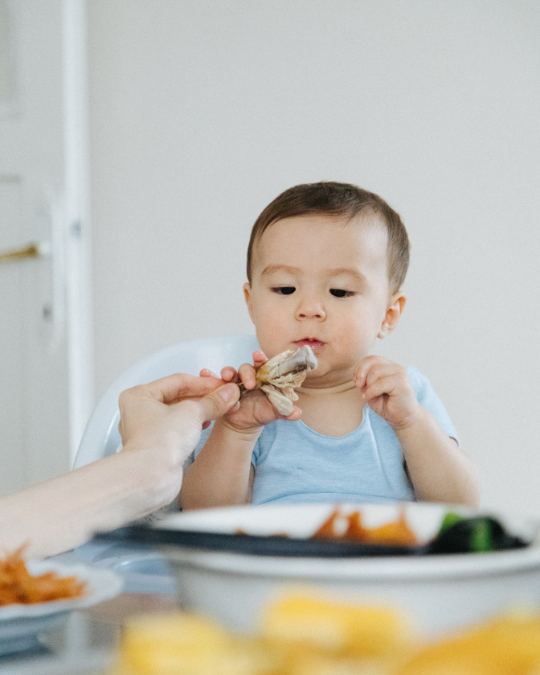
Expanding a child's food repertoire is one of the most common challenges families bring to NeuroCore and one of the most misunderstood. The most important shift we help families make is moving away from viewing food introduction as a compliance task, and toward viewing it as a sensory-based exploration. In a neuro-affirming framework, strategies like the "one-bite rule" or any form of pressure at the table can actually make things worse exacerbating sensory defensiveness and eroding the trust a child needs to develop genuine curiosity about new foods.
Instead, NeuroCore approaches food introduction as an invitation. When a child refuses a new food, we accept that refusal with neutrality, acknowledging that their nervous system has not yet reached the threshold of safety required to engage with that specific item. Our goal is to create a predictable, low-pressure environment where the child feels empowered to lead the pace of their own discovery — and where every interaction, whether it's smelling, touching, or simply looking at a new food, is recognized as a meaningful step forward.
The Strategy NeuroCore Uses: Food Chaining
One of the most effective tools in our clinical approach is a technique called food chaining — sometimes referred to as sensory bridging. This involves identifying the specific sensory qualities of the foods your child already enjoys — such as a preference for particular textures, temperatures, or flavour profiles — and using those qualities as a foundation for introducing similar new foods.
For example, if your child gravitates toward crunchy, bland, and dry foods, we might introduce a new vegetable prepared in a way that matches those exact sensory qualities — such as oven-roasting it until it achieves a familiar crispness. By keeping the sensory profile consistent, we reduce the adjustment required from the child's nervous system, making the new food feel like a safe and manageable evolution of what they already know and trust.
This is not about tricking your child. It's about genuinely honoring their sensory profile while broadening their exposure in a way that respects their boundaries and builds real confidence over time.
Why We Take Food Exploration Away from the Dinner Table
When new foods are introduced exclusively during scheduled mealtimes, we're asking a child to simultaneously manage their hunger, their social expectations, and their sensory responses — all at once. That's a significant amount of pressure, and it rarely produces the outcomes families are hoping for.
At NeuroCore, we create separate, demand-free opportunities for food exploration outside of mealtimes. This might involve a child helping to wash vegetables, arranging items on a plate, or even using food as a material for a sensory play activity. In these moments, there is no expectation of eating — the child is simply free to observe, touch, and interact with the food on their own terms. This desensitization process allows the child to build a cognitive and sensory map of a new food before they ever need to consider putting it in their mouth.
Building Your Child's Autonomy at the Table
A child who feels they have genuine agency over what goes into their body is significantly more likely to engage with new foods than one who feels their boundaries are being bypassed. NeuroCore's clinical strategies consistently reflect this principle.
Something as simple as offering a choice about presentation — "Would you like the carrots on your plate, or in a small bowl next to it?" — transforms a child from a passive recipient of food into an active participant in the meal. This small shift in the power dynamic can meaningfully reduce the anxiety associated with new items and foster the kind of collaborative, dignity-first environment that's essential for sustainable progress.
What Progress Actually Looks Like
It's important to set realistic expectations: expanding a child's relationship with food is a marathon, not a sprint, and progress often arrives in nearly invisible steps. It might take weeks of a new item simply sitting on the table before a child shows any interest in touching it — and that is perfectly acceptable.
At NeuroCore, we define success not by the amount of food consumed, but by a child's increasing comfort and willingness to engage with new options over time. Every small step counts, and our clinical team helps families see and celebrate that progress as it unfolds.
How NeuroCore Supports Families with Feeding Challenges
Our team is experienced in building feeding plans that are as unique as your child's sensory profile. Whether your child has significant food aversions, accepts fewer than twenty foods, or shows signs of sensory-based feeding difficulty, we partner with families to create a structured, compassionate plan that promotes both nutritional variety and more importantly — a positive, long-term relationship with food.
If feeding challenges are part of your daily life, we'd welcome the opportunity to talk through what a targeted support plan could look like for your child and your family.
If you have concerns about your child's development, consult our BCBA or your pediatrician.