How to Use Positive Reinforcement to Encourage Daily Chores
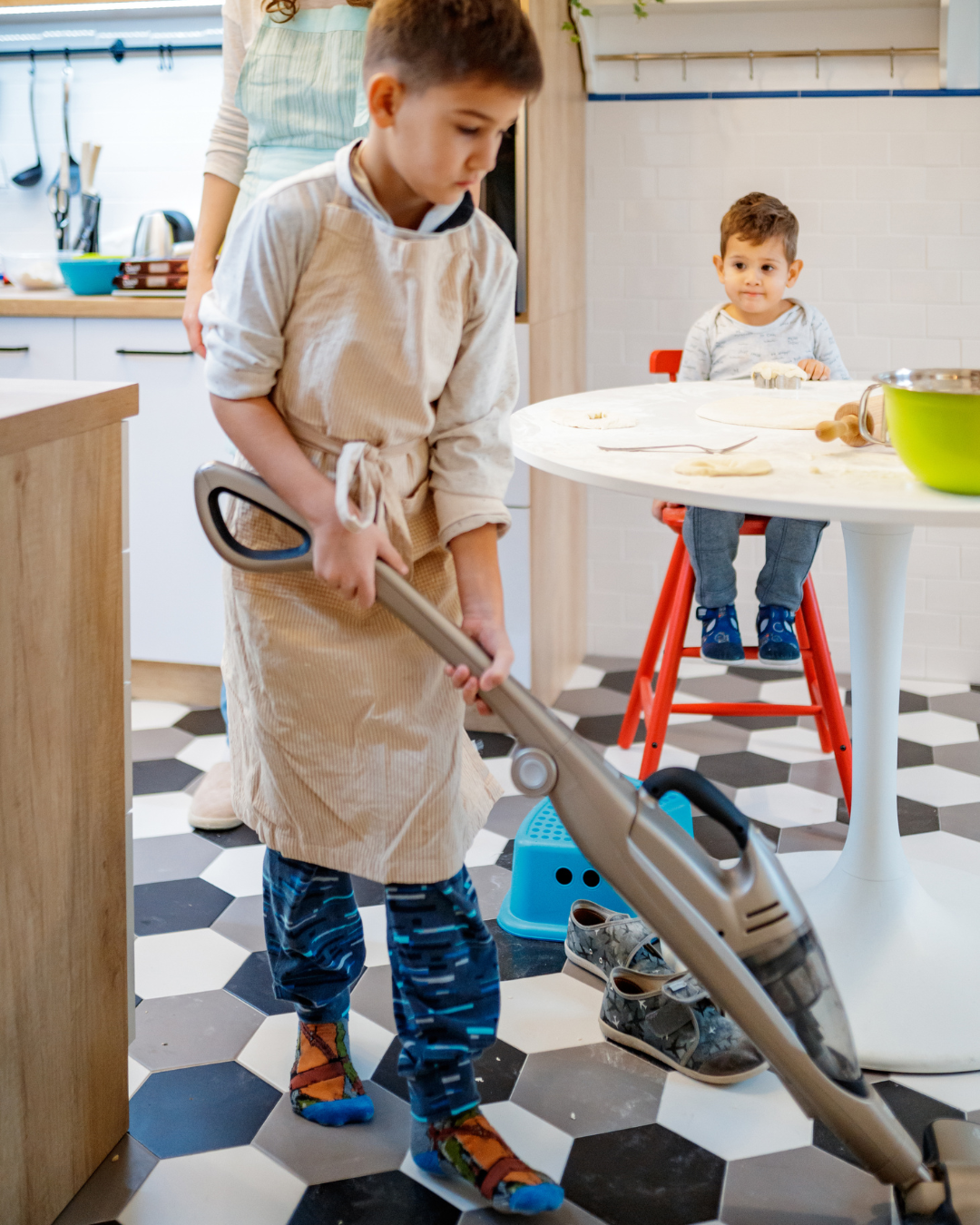
If getting your child to complete daily tasks feels like a battle you fight every single day, you are not alone and the problem is rarely the child. More often, it is the strategy. Traditional approaches to chores tend to focus heavily on what a child isn't doing, using reminders, pressure, and consequences to push them toward compliance. Positive reinforcement, one of the most well-established tools in Applied Behavior Analysis, works in the opposite direction entirely and the results speak for themselves.
At NeuroCore, we help families across Dubai shift the dynamic from daily power struggles to genuine cooperation by building reinforcement systems that are personalized, practical, and grounded in the science of how children actually learn.
What Positive Reinforcement Really Means
Positive reinforcement is not about bribing a child or showering them with empty praise. It is a precise clinical strategy rooted in one of the most fundamental principles of behavioral science: behaviors that are followed by a meaningful, immediate positive outcome are more likely to be repeated.
In practical terms, this means identifying what genuinely motivates your individual child and delivering that reinforcement immediately after the desired behavior occurs. The immediacy is critical. The closer the reward is to the action, the clearer and stronger the association the child's brain forms between the two. Over time, that association builds motivation, habit, and eventually genuine internal satisfaction.
Step One: Find What Actually Motivates Your Child
The most common reason reinforcement systems fail at home is that the reward isn't truly motivating to the specific child. What works for one child may be completely ineffective for another, and what works today may lose its power next month.
For some children, specific and immediate verbal praise is deeply motivating not a generic "good job," but something precise and observational like "I noticed how quickly you put your shoes away without being asked." For others, a visual token system that accumulates toward a preferred activity or experience works far more effectively. For younger children or those with limited verbal communication, physical celebration a high-five, a fist bump, a brief dance can be the most powerful reinforcer of all.
At NeuroCore, finding the right reinforcer is one of the first things we assess when building a plan for a family. Without this piece, even the most well-designed system will underperform.
Step Two: Break the Chore Into Achievable Steps
A request like "clean the playroom" is a significant cognitive demand. It requires a child to plan, prioritize, initiate, and sustain effort across multiple sub-tasks all without clear guidance on where to begin. For many children, this kind of open-ended instruction leads directly to overwhelm and avoidance, which parents often experience as defiance.
The solution is a technique called shaping breaking the larger task down into its smallest meaningful components and reinforcing each step as its own success.
Start by reinforcing the child simply for picking up one item. As confidence builds, gradually increase the number of steps required before reinforcement is delivered. The goal is for the child to experience consistent, genuine success at every stage building momentum and a growing sense of capability rather than feeling defeated before they even begin. Done consistently, shaping transforms a chore from an overwhelming demand into a sequence of manageable wins.
Step Three: Fade Rewards Toward Internal Motivation
A well-designed reinforcement system is never meant to be permanent. The long-term goal at NeuroCore is always to move a child away from reliance on external rewards and toward a genuine internal sense of accomplishment and pride.
This transition happens gradually and naturally when reinforcement is implemented correctly. As a child experiences repeated success and builds confidence in their own capability, the intrinsic satisfaction of completing a task begins to carry more and more weight. The external reward becomes less necessary and with thoughtful fading, can be phased out entirely without the motivation collapsing.
The key is never removing the reinforcement too quickly. Premature fading is one of the most common mistakes that leads families back to power struggles. NeuroCore's clinical team helps families pace this transition in a way that preserves the child's motivation throughout.
How NeuroCore Supports Families with Daily Routines
If daily chore battles are exhausting your household, our clinical team is here to help. We work with families across Dubai to design reinforcement systems that are entirely personalized to each child's unique interests, motivators, and developmental stage practical enough to implement immediately, and flexible enough to evolve as the child grows.
The goal is a home where cooperation replaces conflict, and where your child approaches daily responsibilities with confidence rather than resistance.
If you have concerns about your child's development, consult our BCBA or your pediatrician.