How to Build Independence in Neurodivergent Children
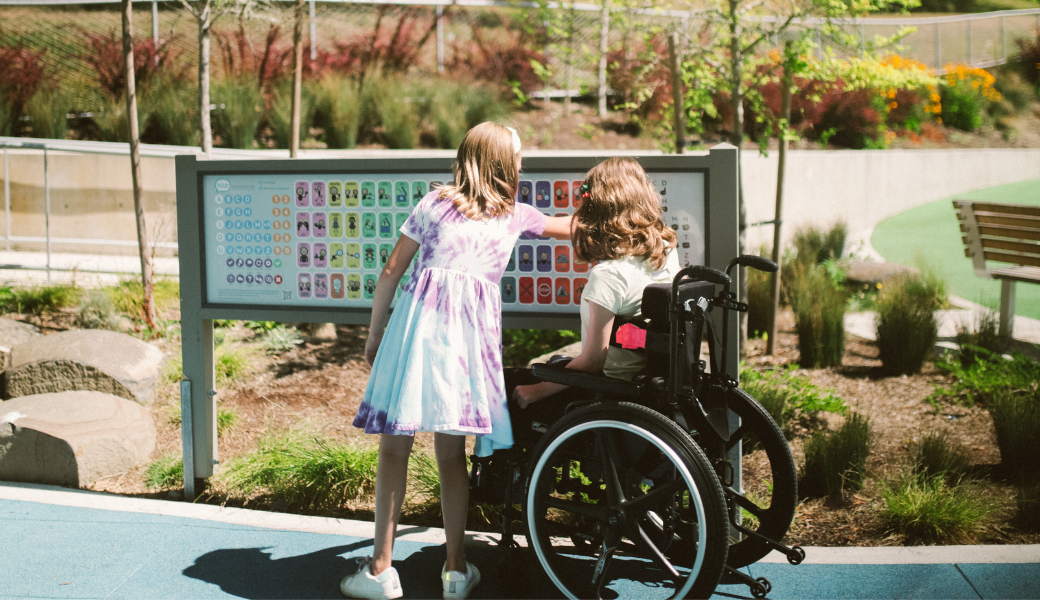
Independence is one of the most important long-term goals families bring to NeuroCore — and one of the most commonly misunderstood. When parents tell us they want their child to be more independent, they often mean something deeper than completing tasks without help. They mean a child who feels capable, who trusts themselves, who can navigate daily life with a genuine sense of agency and confidence.
At NeuroCore, this is precisely how we define independence — not as a child's ability to perform tasks in the same way or at the same pace as their neurotypical peers, but as their capacity to navigate their own environment, advocate for their own needs, and engage with daily life in ways that are meaningful and self-directed.
The path to this kind of independence for a neurodivergent child often looks different. It requires a different kind of scaffolding, a different pace, and a genuine commitment to following the child's lead rather than measuring them against a standard that was not designed with them in mind. Here is how NeuroCore approaches it.
Start With Visual Supports That Do the Work of Memory
Many neurodivergent children experience executive functioning challenges that make initiating, organising, or completing multi-step tasks significantly harder than they appear from the outside. The difficulty is rarely a lack of motivation — it is a gap between the cognitive demands of the task and the current capacity of the child's internal management system.
The most immediate and effective solution is externalising that cognitive work — moving it out of the child's head and into the environment where it can be seen, referenced, and relied upon.
Visual schedules, step-by-step checklists, and colour-coded organisation systems are not accommodations for children who cannot cope. They are precision tools that allow a child to operate more independently than they could without them. A morning routine checklist with pictures or simple text means the child no longer needs an adult to prompt each step — the checklist does that work, which simultaneously reduces friction in the parent-child relationship and builds genuine autonomous function in the child.
When the visual system is doing the directing, the parent steps back. The child steps forward.
Build Self-Advocacy Before You Build Skills
One of the most counterproductive patterns NeuroCore sees in well-intentioned families is the habit of anticipating a child's needs before they have the opportunity to express them. When we consistently solve problems before the child has the chance to identify and communicate them, we inadvertently train passivity — and passivity is the opposite of independence.
True independence is built on self-advocacy: the ability to recognise what you need, and to communicate it clearly and confidently. At NeuroCore, we create deliberate opportunities for children to practise this — teaching them to identify the early physical signs of sensory overload (a feeling of tension, a racing heart, an urge to escape), and providing them with the language or tools to act on those signals: "I need a quiet space," "this is too loud," "I need a break."
When those requests are consistently honoured without negotiation or delay, the child learns something foundational: my signals are valid, and acting on them works. This is the belief that makes genuine independence possible.
Use Micro-Steps to Build Genuine Confidence
When a child perceives a task as a single, overwhelming whole — "tidy your room," "get ready for school," "complete your homework" — the most common response is disengagement. Not because they don't want to succeed, but because the gap between where they are and the finish line feels uncrossable.
At NeuroCore, we use micro-stepping — breaking every complex task into its smallest meaningful components and building confidence through the consistent experience of completing each one. This is not about doing the task for the child. It is about providing precisely enough support to make the first step accessible, then the next, then the one after that — and gradually removing that support as each step becomes something the child owns independently.
This process, known clinically as fading, is one of the most important and underused tools in independence-building. Done well, it feels to the child not like being slowly abandoned, but like being progressively trusted — which is exactly the emotional experience that motivates continued growth.
Root Independence in Dignity and Personal Preference
The final and perhaps most important principle in NeuroCore's approach to building independence is this: it must always be rooted in the child's own preferences, comfort, and pace — never in a set of externally imposed standards.
When a child is learning to manage their own grooming routine, for example, we prioritise their sensory preferences in the products, tools, and sequence of steps chosen. When a child is building independence in meal preparation, we follow their food preferences and their sensory tolerances rather than a generic curriculum. When a child is learning to manage their own environment, we build around what genuinely matters to them — not what is convenient for the adults around them.
A child who experiences independence as something meaningful to them — something that expands their actual life rather than simply reducing the demands they place on others — is a child who wants to keep building it.
How NeuroCore Supports Independence Development in Dubai
Independence building is a long-term clinical investment, and every child's path looks different. At NeuroCore, we work with families across Dubai to assess where each child currently is in their independence journey, identify the specific executive functioning, sensory, or communication supports needed, and build a personalised, dignity-first plan that moves the child steadily toward greater autonomy — at a pace that builds real confidence rather than creating pressure.
If you have concerns about your child's development, consult our BCBA or your pediatrician.