How Sign Language and ABA Work Together to Support Communication in Dubai Classrooms
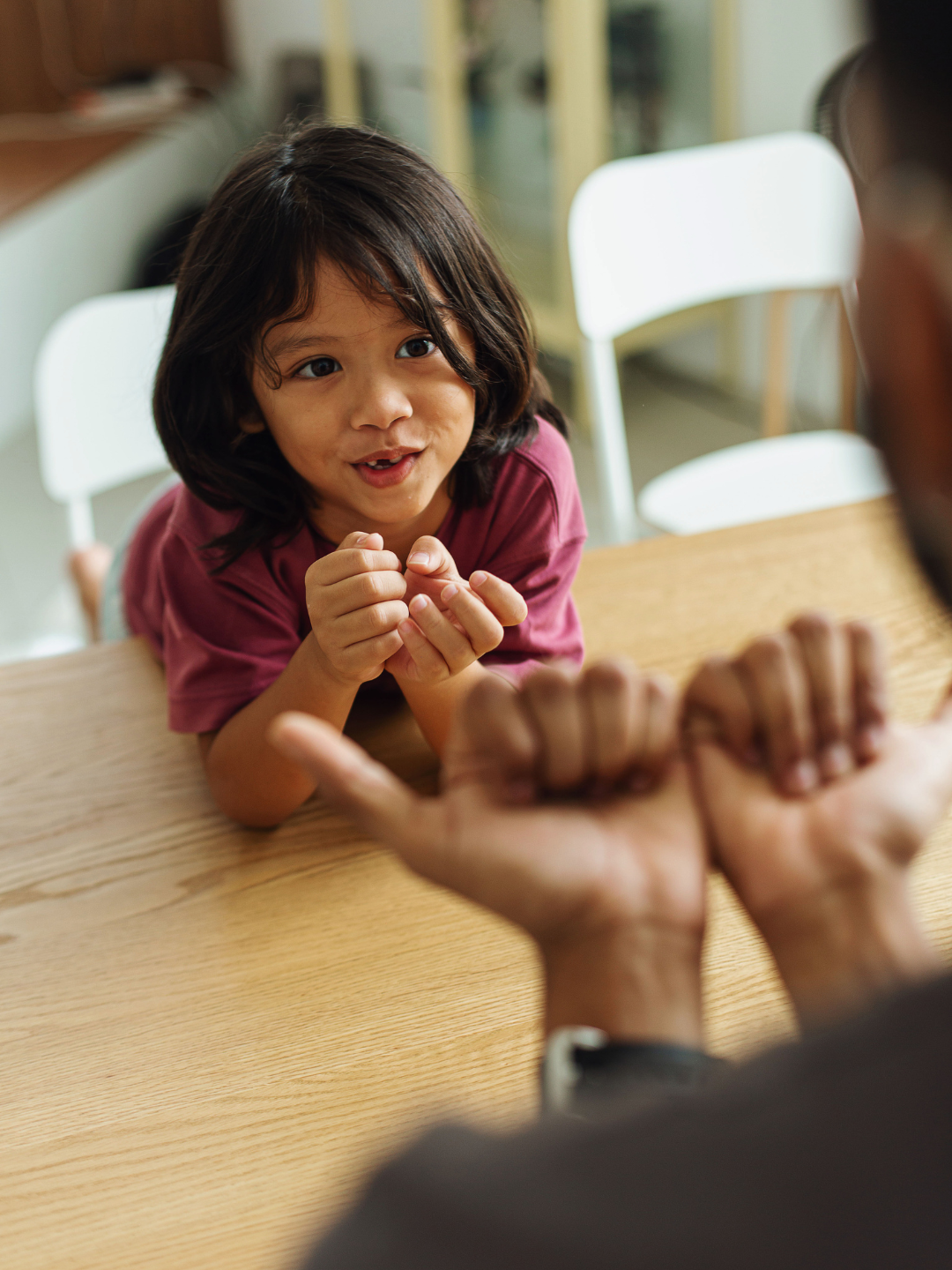
Today is the International Day of Sign Languages, recognised by the United Nations and acknowledged widely across the UAE. It is a day that celebrates sign language as a complete, rich and fully functional language in its own right, not a lesser substitute for spoken communication but a genuine primary language for many deaf and hard of hearing individuals around the world.
At NeuroCore, we want to use this day to address something that parents and practitioners sometimes wonder about: how do sign language and ABA therapy relate to each other? Are they compatible? Can a child who uses sign language benefit from ABA? And what does an ABA session look like when the client communicates through sign?
The answer is that sign language and ABA are not just compatible. When used together thoughtfully, they can be a powerful combination for children who are deaf, hard of hearing, or who are learning to communicate through sign as part of a broader communication programme.
Sign Language Is a Language, Not a Technique
The first thing to understand is that sign language is not a therapy technique or a communication strategy. It is a fully formed language with its own grammar, syntax and vocabulary. In the UAE, the most commonly used sign language is Emirati Sign Language, known as Lughat al-Isharah al-Emiratiyya, though many families also use American Sign Language or other regional sign languages depending on their background.
ABA therapy does not use sign language as a teaching tool in the way that speech therapists might work on spoken language targets. Rather, when a child uses sign language as their primary communication mode, ABA sessions are conducted in that language. Sign language is the medium through which the clinical work happens, not the subject of it.
How ABA Supports Children Who Sign
For a child who uses sign language to communicate, ABA therapy supports the same goals it supports for any other child: building functional communication, developing daily living skills, supporting behaviour, and building the social and learning skills that allow the child to participate fully in their daily life.
The specific contribution ABA makes for a child who signs might include building a more extensive signing vocabulary for functional communication, teaching the child to use sign to request preferred items, to signal when they need a break, or to express discomfort in a way that is recognised and respected by the adults around them.
It might also include supporting the child to generalise their signing across different people and settings. A child who signs confidently with their parents at home but does not yet use sign reliably with unfamiliar adults or in school settings needs the kind of systematic generalisation support that ABA is specifically designed to provide.
And it might include supporting the family and school staff to respond consistently to the child's signing, so that every sign the child produces is met with an appropriate and reinforcing response regardless of who they are communicating with.
Sign Language as Part of a Broader Communication Programme
Some children who come to ABA therapy are not primarily deaf but are learning sign language as part of a broader communication programme. Children with autism who are non-speaking or minimally verbal sometimes use signs alongside other communication tools. Some children use signs as a bridge toward developing other communication skills. Some use them as a permanent and preferred communication mode.
In all of these cases, ABA therapy supports the child to use whatever communication system they have access to, more reliably, more flexibly, and across a wider range of people and settings.
The goal in ABA is always functional communication: the ability to make your needs known, to participate in social interaction, and to influence what happens around you through communication. Sign language can absolutely be the vehicle through which that functional communication is built, and for many children it is the most natural and accessible vehicle available.
What Families in Dubai Should Know
If your child is deaf or hard of hearing and you are considering ABA therapy, the most important question to ask any provider is whether their therapists have the language skills to work in your child's communication mode. A therapist who does not sign cannot effectively support a child who primarily communicates through sign language.
At NeuroCore, when we work with a child whose communication mode includes sign language, we adapt our clinical approach to meet that child where they are. We coordinate with the other professionals supporting the child, including teachers of the deaf and audiologists, to ensure our approach is consistent with the broader support the child receives.
If you have concerns about your child's development, consult our BCBA or your pediatrician.