How ABA Therapists Work With Children Who Are Deaf or Hard of Hearing
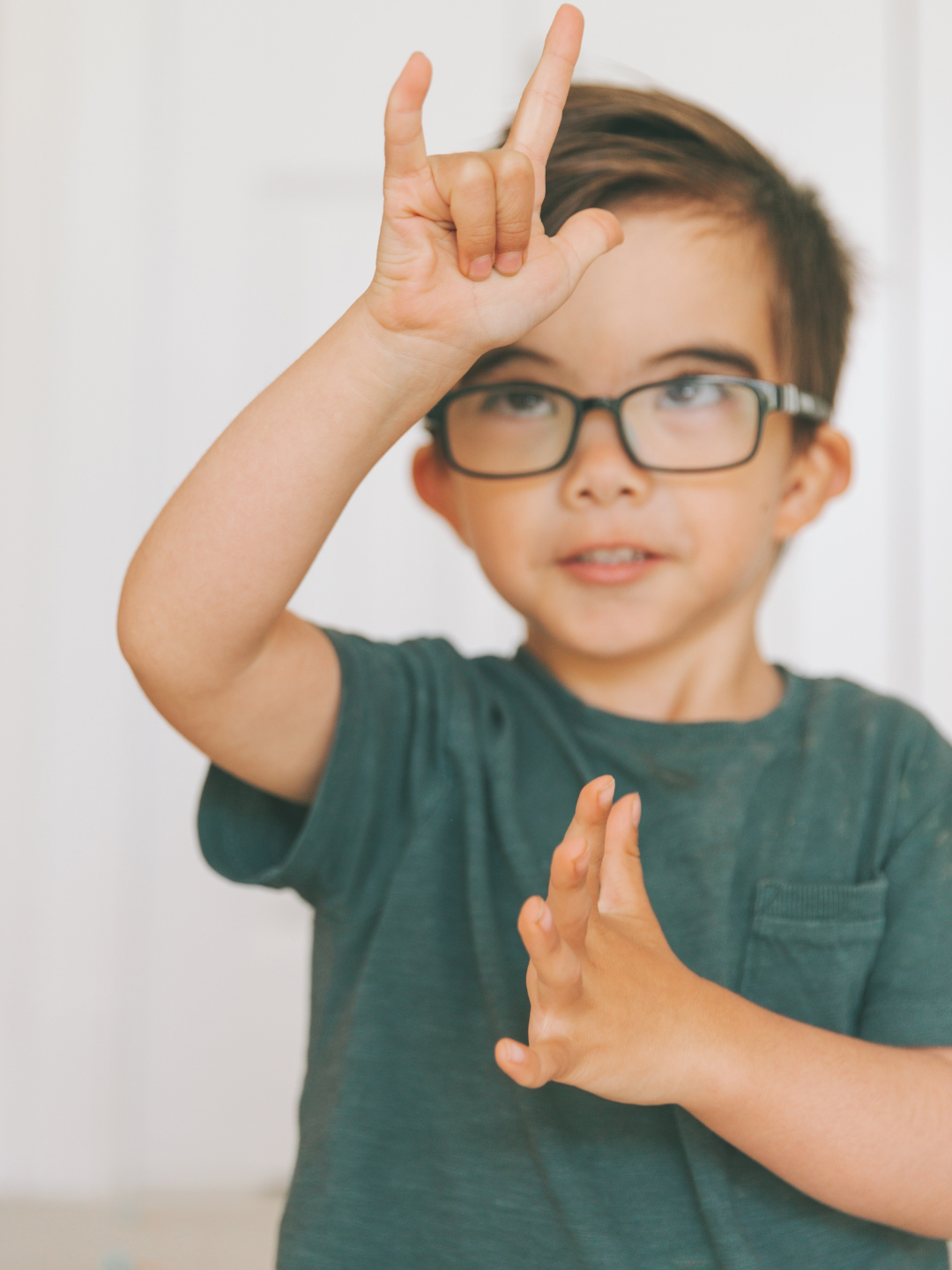
During International Week of Deaf People, it is worth addressing something that practitioners in ABA are sometimes uncertain about: how do you adapt ABA therapy sessions when your client is deaf or hard of hearing?
The honest answer is that the core principles of ABA do not change. Behaviour is still understood as communicative. Reinforcement still drives skill acquisition. Functional assessment still precedes intervention. What changes is the modality through which the session is conducted and the specific clinical considerations that hearing loss introduces.
This guide is for ABA practitioners who are working with, or preparing to work with, children who are deaf or hard of hearing.
Understanding the Client's Communication Profile First
Before adapting your session approach, you need to understand exactly how this specific child communicates and what communication approach their family uses at home.
Some families of deaf children use sign language as their primary communication mode. Others use spoken language supported by hearing technology. Others use a combination of both, sometimes called total communication. Some children use AAC devices. Some use all of the above in different contexts.
Your clinical approach must match the child's actual communication profile, not a general assumption about what deaf children use. This information should be gathered in the initial assessment and confirmed with the family before sessions begin. If you do not have this information, ask before you start.
Adapting the Physical Environment of Sessions
For a child who relies on visual information rather than auditory input, the physical environment of the session matters more than it does for a hearing client.
Position yourself so your face is clearly visible to the child at all times during sessions. Face-to-face positioning is the default for all ABA sessions, but for a deaf or hard of hearing client it is clinically non-negotiable. A child who cannot see your face cannot access the visual communication cues they rely on.
Ensure the lighting in the session space is adequate for the child to see both your hands and your face clearly. Dim lighting or strong backlighting makes visual communication harder and increases the cognitive load on the child unnecessarily.
Minimise background visual clutter in the session space. For a child who is scanning their visual environment for information rather than relying on auditory cues, a visually busy background increases the effort required to focus on the relevant input.
Using Sign Language in Sessions
If your client uses sign language as their primary communication mode and you do not yet have functional sign language skills, this is a clinical gap that needs to be addressed. You cannot effectively implement ABA with a client who communicates through sign if you cannot communicate through sign yourself.
Depending on the level of your current sign language skills, this might mean acquiring basic functional signs before sessions begin, working alongside a sign language interpreter for more complex clinical conversations, or referring the family to a practitioner who already has the relevant language skills while you develop yours.
At minimum, learning the specific signs used within the child's treatment plan, the signs for reinforcer preferences, for break requests, and for the key vocabulary of your sessions, is a starting point that allows the session to function meaningfully while you build broader skills.
Adapting Discrete Trial Teaching for Deaf Clients
The structure of a discrete trial, the instruction, the prompt, the response and the consequence, applies in exactly the same way for a deaf client as for a hearing one. What changes is how the instruction is delivered.
The discriminative stimulus, the instruction that cues the desired response, is delivered in the child's communication mode. For a signing child this means delivering the instruction as a clear sign rather than a spoken word. The same principles apply: consistency, clarity, and repetition of exactly the same sign for the same target every time.
Prompts may be more physical for children with hearing loss, since vocal prompts may not be effective. Gestural and physical prompts are often the most accessible options and should be systematically faded using the same fading procedures used with hearing clients.
Reinforcement delivery for a deaf client should be immediately paired with a clear visual signal of approval alongside the preferred reinforcer. An enthusiastic thumbs up, a clear sign for good, or an animated positive facial expression provides the social reinforcement component that a verbal praise response would provide for a hearing child.
Working With the Wider Support Team
Children who are deaf or hard of hearing are almost always supported by a wider team that includes audiologists, teachers of the deaf, and often speech therapists. Your ABA work should be coordinated with this team to ensure consistency across all the professionals working with the child.
Ask specifically what communication approaches are being used in other settings. Find out whether there are communication targets being worked on in speech or language therapy that you can support generalisation of in ABA sessions. Share your own clinical targets with the wider team so they can provide consistent responses to the child's communication attempts across all settings.
How NeuroCore Approaches This
At NeuroCore, our clinical team works with children across a range of communication profiles and sensory differences. When a child's profile includes hearing loss, we adapt our clinical approach to match that child's specific needs and communication mode.
Visit our IBT and ABAT Training page to learn more or enrol now and find out when our next live sessions are scheduled.