
ABA Therapy in Dubai
ABA Therapy in Dubai
NeuroCore has been delivering Applied Behavior Analysis therapy across Dubai for 15 years. We work with children with autism and developmental differences in their homes and in their schools, using evidence-based strategies designed and supervised by experienced senior clinicians.
If you are looking for ABA therapy in Dubai and want to understand exactly what it is, how it works, and what to look for in a provider, this page gives you the honest answers.
What Is ABA Therapy?
ABA stands for Applied Behavior Analysis. It is a science-based approach to understanding behaviour and teaching new skills. ABA looks at what a child does, why they are doing it, and what their environment can do differently to help them learn more effectively.
It is one of the most extensively researched interventions available for children with autism. It is used across the world and recommended by major clinical and health organisations internationally as an evidence-based approach to supporting autistic children and those with developmental differences.
ABA therapy is not a single technique. It is a clinical framework that is applied differently for every child, based on a thorough assessment of that child's specific profile, their family's priorities, and the environments they live and learn in.
Head over to our Frequently Asked Questions About ABA Therapy in Dubai page for more.
What Does ABA Therapy Actually Look Like?
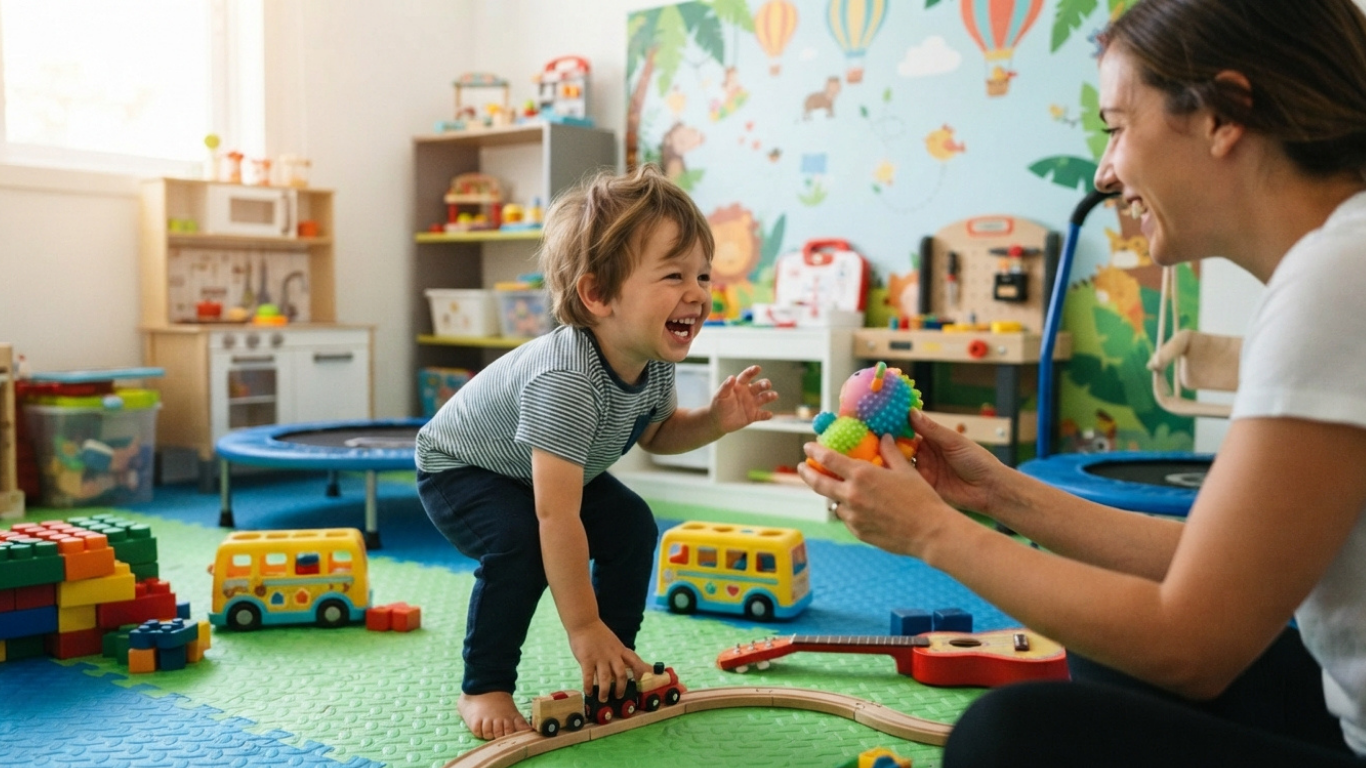
For most young children, ABA therapy looks a lot like play. A therapist sitting on the floor, following the child's interests, building a relationship. Activities that are purposeful but feel natural. Teaching that is embedded in everyday moments rather than delivered at a desk.
For older children, sessions may involve more structured skill-building, social learning, daily living practice, and support for the specific challenges that school and daily life are presenting.
In every case, data is collected throughout every session. This is what makes ABA a science rather than simply good support. The data tells the supervising clinician whether the programme is working, whether it needs to change, and whether the child is genuinely progressing.
What Does ABA Therapy Help With?
ABA therapy in Dubai is used to support children across a wide range of goals and diagnoses. Common areas include:
Communication. Building spoken language, sign language, or the use of AAC devices for children who are non-speaking or minimally verbal.
Behaviour support. Understanding why challenging behaviour is happening and building functional alternatives, rather than simply trying to stop the behaviour on the surface.
Daily living skills. Dressing, toileting, mealtimes, personal hygiene, and the practical routines that build independence and reduce daily family stress.
Social skills. Initiating and sustaining interaction with peers, reading social cues, managing group situations, and building the specific skills that support genuine friendship.
School readiness. Attending and focusing, following instructions, managing transitions, and building the self-regulation that allows a child to access their education.
Emotional regulation. Recognising and managing feelings, reducing meltdowns, building coping strategies, and developing a sense of safety in demanding environments.
ABA therapy is also used to support children with Down Syndrome, ADHD, cerebral palsy, hearing loss, developmental delay, and a range of other neurodevelopmental profiles alongside autism.
Why In-Home ABA Therapy?
NeuroCore delivers ABA therapy in Dubai in the home and in the school, not in a clinic. This is a deliberate clinical choice, not a logistical convenience.
Skills learned in a clinical room do not always transfer into real life. A child who learns to request a snack using a communication card in a therapy room may not use that same card in their own kitchen unless the skill has been taught in the real environment where it needs to be used.
In-home ABA therapy means the teaching happens exactly where the skills are needed. Morning routines are taught during actual mornings. Mealtime skills are practised at the actual table. Communication is built during the real interactions of a real family day.
This produces better generalisation, which means skills that show up not just in therapy sessions but across the rest of your child's life. And it means the strategies being used in sessions can be coached directly to every adult in your child's home, including grandparents, siblings, and household staff, so the clinical approach is consistent across all the people your child spends time with.
How NeuroCore Delivers ABA Therapy in Dubai
Every NeuroCore programme follows the same clinical structure.
Assessment first. Before any treatment plan is written, an experienced senior clinician conducts a thorough assessment of your child. This is not a brief intake form. It is a real clinical assessment that builds a specific, accurate picture of your child's profile.
An individualised treatment plan. The supervising clinician writes a treatment plan built around your child specifically. The goals reflect what matters most to your family, not a standard template applied to all children.
Qualified therapists. The therapist who delivers sessions holds a recognised ABA credential. The IBT from the IBAO or the ABAT from QABA. Both internationally recognised entry-level certifications that confirm the therapist has completed structured, quality training.
Active clinical supervision. The supervising clinician does not hand over the plan and disappear. They observe sessions directly and regularly, review data consistently, and adjust the programme based on what the data shows. This ongoing oversight is what keeps the programme clinically sound as your child changes and grows.
Parent coaching built in. Every session includes time with you. Not just a quick update. A genuine conversation about what happened, why specific strategies are being used, and how you can apply the same approaches in the moments between sessions. The more aligned home and therapy are, the faster your child progresses.