Why Won't My Child Play With Others?
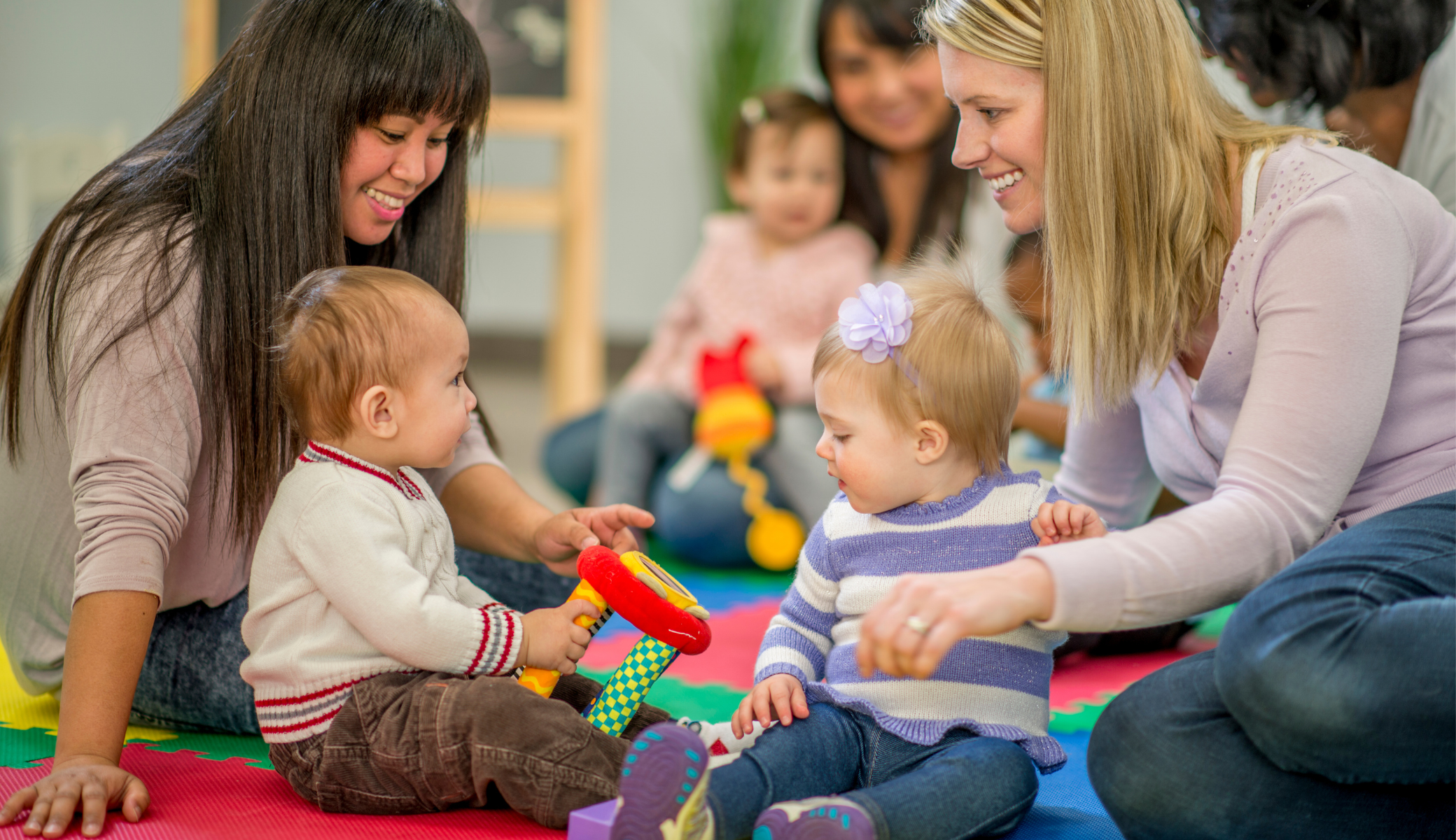
One of the most common questions parents bring to NeuroCore is this: why does my child seem to prefer playing alone? It is entirely natural to feel concerned when you see your child on the sidelines while other children play together. Many of us carry an image of a socially successful child as one who is always at the centre of a group engaged, included, and interacting freely. When our child doesn't match that image, it is easy to interpret it as a problem that needs to be corrected.
At NeuroCore, our first clinical step is almost always to reframe that interpretation. A child who plays alone is not necessarily experiencing a social deficit, and they do not always need to be pushed toward group dynamics before they are ready. What they need is for the adults around them to look more carefully at the why behind their play preferences and to support their development in a way that is genuinely respectful of who they are.
Understanding Different Social Styles
The first thing to consider is that many children simply have a different social style and that difference is valid.
For some children, the sensory experience of group play is genuinely overwhelming. The noise, the sudden movements, the complex and largely unspoken social rules that govern group dynamics all of this creates a level of input that can be difficult to process and regulate simultaneously. In these cases, solitary play is not avoidance. It is a child's nervous system finding the conditions it needs to stay regulated and comfortable.
When a child is not yet ready for group play, pushing them into it prematurely can create anxiety, frustration, and a growing negative association with social settings the opposite of what we want. Allowing them the space to play in ways that feel safe is not permissive parenting. It is respectful, neuro-affirming support that honors where the child actually is.
The Developmental Value of Parallel Play
It is also important to recognize that solitary and near-social play stages carry genuine developmental value and that not all social progress looks the way we expect it to.
Parallel play where a child plays alongside others but not directly with them is a significant and meaningful developmental milestone. During this stage, a child is observing, learning, and sharing physical space with peers without the pressure of direct social interaction. They are building comfort with proximity, learning social norms through observation, and developing their own pace for engagement.
If we treat this stage as a problem to be solved rather than a foundation to be built upon, we risk rushing a child past an important developmental step. At NeuroCore, we actively create opportunities for parallel play side-by-side drawing stations, adjacent block building areas, shared sensory bins that allow a child to be near peers in a low-pressure way that genuinely supports the next stage of social development.
When the Barrier Is a Lack of Social Tools
For children who genuinely want to play with others but don't know how to enter an existing game or express interest in another child's activity, the barrier is usually not motivation, it is a lack of clear social tools.
Many neurodivergent children simply haven't yet developed the scripts or strategies for initiating peer interaction. They may stand at the edge of a group, wanting to join, but with no reliable way to bridge the gap between watching and participating.
In these situations, NeuroCore provides the scaffolding the child needs. This might mean modeling how to join an existing activity, coaching a child through the steps of initiating an interaction, or — most effectively — facilitating play around a shared interest. A child who is fascinated by space, for instance, can be supported through a "space station" play setup that naturally draws in peers who share that passion. By centring the activity rather than the social performance, we remove the pressure and allow connection to develop organically.
Recognising Non-Traditional Forms of Social Engagement
For many neurodivergent children, social communication simply looks different and learning to see it requires adjusting our lens.
Some children engage in what we call functional play, focusing on the mechanics of how objects work rather than the narrative or social story-telling that peers might be engaging in simultaneously. This is not a lack of interest in people. It is a different way of being present. Similarly, some children show their social interest in subtle ways that are easy to miss: offering a toy to a peer without words, moving closer to someone when excited, or watching another child intently before attempting to mirror what they are doing.
At NeuroCore, we teach parents to notice and celebrate these non-traditional forms of social engagement. When we stop looking for the conventional signs of social connection and start looking for the signs our individual child is actually showing us, we stop seeing a child who won't play and start seeing a child who is playing in their own valid, meaningful way.
Reframing Solitary Play as a Window, Not a Wall
Ultimately, supporting your child's social world is about partnership, observation, and the willingness to follow their lead rather than impose a social timeline that wasn't designed with them in mind.
When we stop viewing solitary play as something to be corrected and start viewing it as a window into our child's comfort, curiosity, and emerging social readiness, we gain far more useful clinical and parenting information than any standardized social checklist can provide.
How NeuroCore Can Help
If you would like support understanding your child's unique play style, identifying the specific social barriers they are experiencing, or building a plan that fosters social growth in a way that genuinely respects their pace and agency, NeuroCore's clinical team is here to partner with you.
We provide evidence-based, dignity-first developmental support that values your child's voice and builds social confidence from the inside out. Contact NeuroCore today to schedule a private consultation and learn more about our personalised developmental support plans in Dubai.
If you have concerns about your child's development, consult our BCBA or your pediatrician.