What Should I Expect in the First ABA Therapy Session?
The first ABA therapy session is one that many families approach with a mixture of hope and uncertainty. You have made the decision to pursue support for your child. You have chosen a provider. And now someone is coming into your home to work with your child for the first time.
Knowing what to expect makes that first session significantly less anxious for everyone involved, including your child.
It Will Not Look Like Therapy in the Way You Might Imagine
The most common surprise families report after the first ABA session is that it did not look like they expected therapy to look. There were no worksheets. No formal instruction. No obvious drills or exercises.
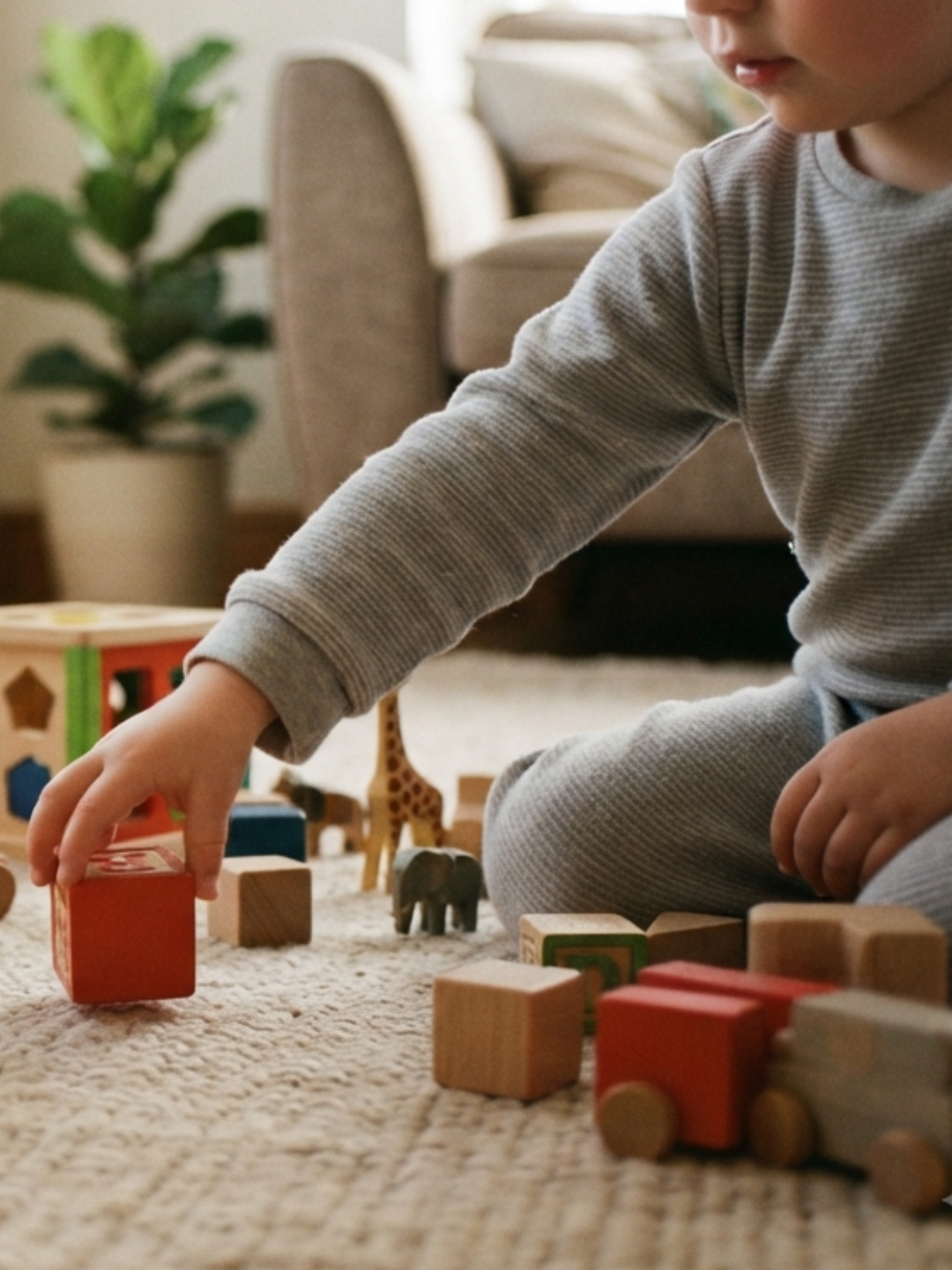
What they saw instead was a therapist sitting on the floor with their child, following their lead, playing with whatever their child chose, and seemingly just spending time with them.
This is not a relaxed warm-up before the real therapy begins. This is the real therapy beginning. And it is doing something clinically essential.
The First Priority Is the Relationship
Before any skill can be taught, before any goal can be worked toward, your child needs to feel safe with the person who will be working with them. A child who does not trust their therapist will not learn from them. That is not a motivational statement. It is a clinical reality.
The first session is primarily about the therapist and your child beginning to build a relationship. The therapist follows your child's interests. They join whatever your child is doing rather than redirecting them toward something else. They respond warmly and consistently to your child's communication attempts, however those arrive. And they observe carefully, watching how your child plays, what they are drawn to, how they respond to different kinds of interaction.
This early relationship building is not separate from the clinical work. It is the foundation that everything else is built on.
The Therapist Is Also Gathering Clinical Information
While the first session looks relaxed and play-based, the therapist is actively gathering information throughout. They are observing how your child communicates, what they find motivating, how they respond to adult proximity and interaction, what their sensory preferences and sensitivities appear to be, and how they manage transitions between activities.
This observation informs the clinical assessment that shapes your child's treatment plan. What the therapist sees in the first session tells them things about your child that no parent report or written assessment can fully capture.
What You Might Be Asked to Do
In the first session, most therapists will ask parents to be present, at least for part of it. This is not because your child cannot manage without you. It is because your presence provides a safe anchor for your child in a new situation, and because the therapist wants to see how your child interacts with you as well as with them.
You may be asked to sit nearby and let the session unfold without directing it. You may be asked some questions about your child's preferences, routines, or specific challenges. And you will almost certainly be asked at the end of the session how you felt it went and whether anything surprised you.
Your observations as a parent are clinically valuable from the very first session. A therapist who does not ask for them is missing important information.
What Will Not Happen in the First Session
The first session is not the time for structured teaching targets, data collection on specific skills, or formal assessment protocols. These come later, once the relationship has begun and the clinical picture is clearer.
If a therapist arrives at the first session with a rigid programme already in place and attempts to run structured trials with a child they have never met before, that is a clinical concern rather than a sign of efficiency. The relationship must come first.
What Comes After the First Session
After the first session, the therapist will typically share their initial observations with the supervising clinician, who will use this information alongside the initial assessment data to begin developing your child's treatment plan.
You should expect a conversation, either at the end of the session or shortly after, about what the therapist observed, what they will be focusing on in the coming weeks, and what you can do at home to support the early stages of the programme.
The first session is the beginning of a relationship between your child, the therapist, and your family. It will take several sessions before the rhythm of the programme is fully established and before your child is fully comfortable with the new person in their life. This is completely normal and expected.
How NeuroCore Approaches First Sessions
At NeuroCore, every first session follows the same foundational principle. The child leads and the therapist follows. We spend the time we need building the relationship that makes everything else possible, however long that takes. And we communicate openly with families after every session so you always know what we observed and what it means for the programme ahead.
If you have concerns about your child's development, consult our BCBA or your pediatrician.