How to Help Your Child Manage Sensory Overload in Dubai
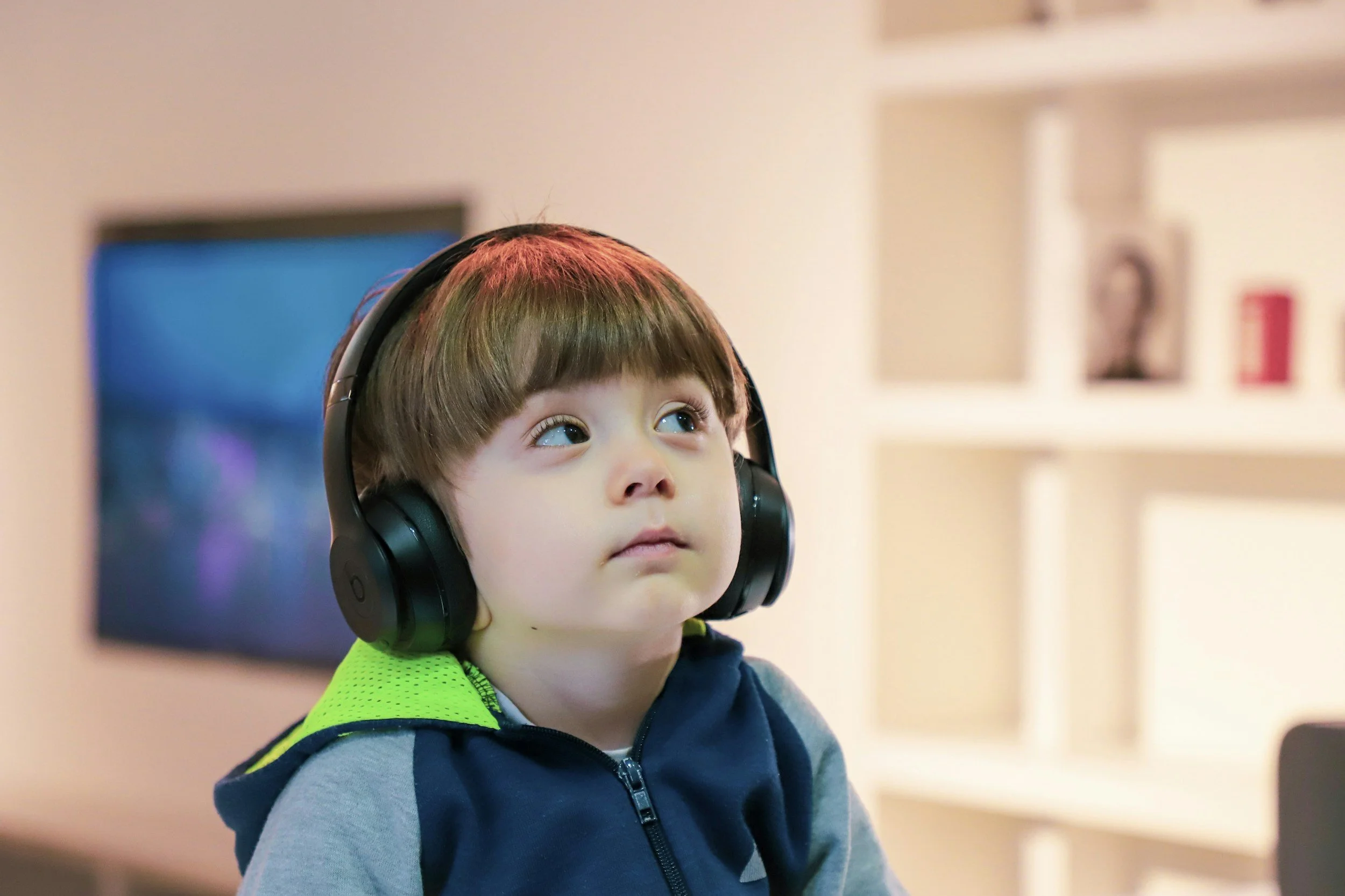
Dubai is a city of extraordinary energy, towering malls, vibrant streets, busy restaurants, and sensory-rich environments around every corner. For most people, this is part of its appeal. For children with sensory processing differences, however, this same energy can quickly become overwhelming. Many children in Dubai navigate high-sensory environments daily, and for some, the volume of input the brain receives can exceed what it's able to process, leading to sudden meltdowns, withdrawal, or emotional shutdown.
Understanding sensory overload is the first step toward supporting your child through it. At NeuroCore, we help families across Dubai build practical, personalized strategies that allow their children to engage with the world more comfortably, without expecting them to simply "push through" environments their nervous systems aren't yet equipped to handle.
What Is Sensory Overload and Why Does It Happen?
Sensory overload occurs when the brain receives more input than it can effectively process at one time. This isn't a behavioral choice, it's a neurological response. The brain, unable to filter and organize the incoming sensory information, triggers a stress response that often manifests as a meltdown, physical withdrawal, or a sudden and intense shift in mood.
Common environmental triggers in Dubai include:
Bright or flickering lights in malls, supermarkets, or restaurants
Loud or unpredictable noise — crowds, music, construction, or traffic
Strong smells from food courts, perfume counters, or cleaning products
Crowded, busy spaces with a high level of visual and physical stimulation
Unexpected touch from people moving around in tight spaces
Identifying which triggers affect your child specifically is the foundation of any effective sensory management plan.
Step One: Recognize the Early Warning Signs
By the time a meltdown is in full swing, the nervous system is already in crisis. Learning to recognize the early signs of sensory overload — before escalation — gives you a much wider window to intervene effectively.
Early signs often include covering ears or eyes, seeking a corner or quiet space, increased irritability or clinginess, repetitive movements that signal self-soothing, or a sudden drop in the ability to communicate or follow instructions. These are not behavior problems — they are your child's nervous system communicating that it needs support.
Once these cues appear, prioritizing the removal of the stressor immediately is far more effective than attempting to redirect or reason with your child in the moment.
Step Two: Have a Sensory-Safe Plan Ready
Waiting until overload occurs to figure out what to do next is one of the most common and understandable mistakes families make. A proactive sensory-safe plan — prepared in advance — removes the guesswork from high-stress moments.
This might include:
Identifying a quiet exit point in frequently visited locations, such as a specific area of a mall or a quieter entrance to a restaurant
Carrying a comfort kit with items that provide grounding sensory input — a soft textured toy, a weighted item, noise-canceling headphones, or a familiar object that helps your child feel safe
Planning sensory breaks before reaching a threshold, rather than after it
Using predictable language to prepare your child before entering a high-sensory environment, so the transition feels less abrupt
Step Three: Create a Regulated Environment at Home
The home environment plays a powerful role in a child's overall sensory baseline. A child who arrives home already dysregulated from a busy school day has very little capacity left to manage additional sensory input. Small, intentional modifications to the home environment can make a significant difference:
Adjusting lighting in study and play areas to reduce harsh or flickering light
Creating a designated quiet space where your child can retreat without pressure
Providing regular movement breaks during tasks that require sustained focus
Honoring your child's request for quiet or alone time as a legitimate sensory need, not a social withdrawal
The Long-Term Goal: Self-Awareness and Self-Advocacy
When a child consistently experiences their sensory needs being acknowledged and respected, something important happens: they begin to feel safe. And safety is the foundation of self-regulation.
Over time, children who feel genuinely supported in their sensory needs become better equipped to identify their own limits and to advocate for the breaks and accommodations they need before they reach a point of overload. This is the long-term goal: not a child who tolerates discomfort silently, but one who understands their own nervous system and feels confident asking for what they need.
How NeuroCore Supports Families with Sensory Challenges in Dubai
If sensory challenges are impacting your family's daily life, at home, at school, or out in Dubai's busy environments , NeuroCore's clinical team is here to help. We conduct thorough sensory audits of your home and school environments, identify your child's specific sensory profile and triggers, and work with your family to develop personalized strategies that minimize stress and maximize your child's ability to engage with the world comfortably.
By viewing sensory needs through a genuinely neuro-affirming lens, we help transform difficult moments into opportunities for your child to build confidence, resilience, and independence , one regulated step at a time.
If you have concerns about your child's development, consult our BCBA or your pediatrician.