How to Get My Child to Brush Their Teeth: A Sensory-First Approach
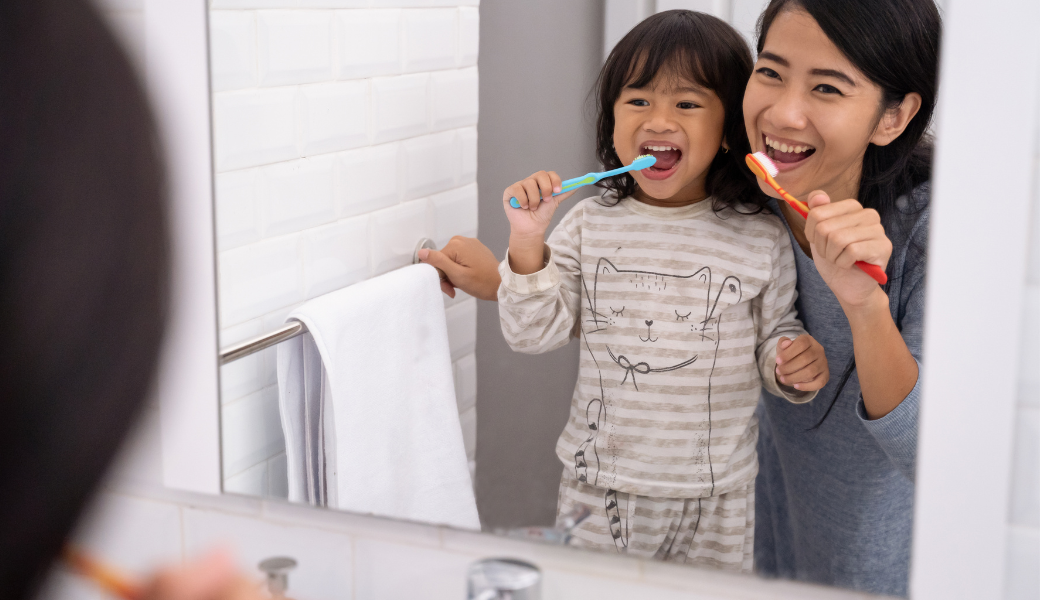
For many families, toothbrushing is one of the most consistently difficult parts of the day. What looks from the outside like a simple two-minute task is, for a neurodivergent child, a genuinely complex sensory experience and the resistance it produces is almost never about willfulness or defiance.
Toothbrushing requires a child to simultaneously manage the texture of bristles against sensitive gum tissue, the intensity of toothpaste flavour, the sensation of water and foam in the mouth, the sound of brushing amplified inside the skull, and the fine motor coordination needed to do all of this in sequence. For a child with sensory processing differences, any one of these elements can feel physically overwhelming — and when they combine, the experience can feel genuinely painful rather than simply unpleasant.
At NeuroCore, we approach toothbrushing refusal not as a battle of wills to be won, but as a sensory-processing challenge that deserves a thoughtful, personalised, dignity-first plan.
Step One: Identify the Specific Sensory Barrier
Before any strategy can be effective, the first step is identifying precisely what it is about toothbrushing that your child finds intolerable. This matters because the solution depends entirely on the specific trigger — and guessing rarely produces lasting results.
Observe carefully and ask yourself:
Is it the vibration or pressure of an electric toothbrush?
The intensity or foaminess of the toothpaste flavour?
The coldness of tap water making contact with their mouth?
The brightness or acoustics of the bathroom environment?
The bristle texture against their gums or inner cheeks?
Once the specific trigger is identified, targeted modifications become possible. A child who cannot tolerate mint-flavoured toothpaste may respond completely differently to a berry, bubblegum, or completely unflavoured alternative. A child overwhelmed by standard bristles may tolerate a silicone finger brush or an ultra-soft brush with a completely different tactile profile. By customising the tools to the child's actual sensory experience, we demonstrate that their comfort is a clinical priority — not an obstacle to be overridden.
Step Two: Make the Routine Visible and Time-Limited
A significant source of anxiety around toothbrushing for many children is the uncertainty of how long it will last and what comes next. When a task has no visible end point, the nervous system cannot begin to prepare for completion — which makes tolerating it far more difficult.
At NeuroCore, we address this with two simple but powerful tools: visual timers and step-by-step visual charts.
A visual timer — one that shows the passing of time in a concrete, visible way — removes the open-ended quality of the task. When a child can see that brushing lasts for exactly two minutes and can watch that time diminishing, the anxiety of "how long is this going to take?" is replaced with predictability and an achievable finish line.
A step-by-step visual chart for the brushing sequence — wet the brush, add toothpaste, brush the top, brush the bottom, rinse — gives the child a clear roadmap to follow independently, reducing reliance on verbal prompting and the friction that repeated reminders often create.
Step Three: Use Backward Chaining to Build Confidence
For children who are significantly resistant to toothbrushing, attempting the full routine from day one is rarely the right starting point. At NeuroCore, we use a technique called backward chaining — one of the most effective approaches for building confidence and consistency in daily living skills.
Backward chaining means beginning by completing most of the task yourself, and allowing the child to perform only the very last step. You might handle all the brushing while the child practises holding the brush, or you brush while they control the tap. Once they are consistently comfortable with that final step, you gradually shift responsibility backward through the sequence — adding one step at a time — until the child is completing the full routine independently.
The clinical advantage of this approach is that the experience almost always ends on a successful, positive note — because the child completes the final step themselves. This builds a consistent association between toothbrushing and a sense of achievement and control, rather than distress and override.
Step Four: Give Your Child Agency Within the Routine
One of the most reliable ways to build genuine cooperation in any daily routine is to ensure the child has real choices within it. A child who feels that toothbrushing is something being done to them will resist. A child who feels like an active participant in how their own body is cared for is far more likely to engage.
Meaningful choices don't need to be complex: "Do you want to use the blue brush or the green one tonight?" or "Do you want to brush teeth before or after you put on your pyjamas?" These small decisions shift the dynamic from compliance to partnership — which is precisely the shift NeuroCore's dignity-first approach is built around.
When a child's voice in how they care for their own body is consistently respected, cooperation becomes far less of a daily negotiation.
A Note on Perfection vs. Progress
On particularly difficult days, a shorter, calmer brushing interaction is always clinically preferable to a "perfect" cleaning achieved through force or escalating pressure. Prioritising a positive sensory experience — even if the result is imperfect — builds the long-term habit and trust that makes the routine sustainable. Prioritising perfection at the cost of dysregulation does the opposite.
Progress in this area is gradual, and every small step forward counts.
How NeuroCore Can Help
If toothbrushing is a daily source of significant distress in your household, NeuroCore's clinical team can help you identify the specific sensory barriers involved and build a personalised plan that makes this routine manageable, calm, and sustainable for your child and your family.
If you have concerns about your child's development, consult our BCBA or your pediatrician.