How to Get My Child Ready for School Without the Morning Battle
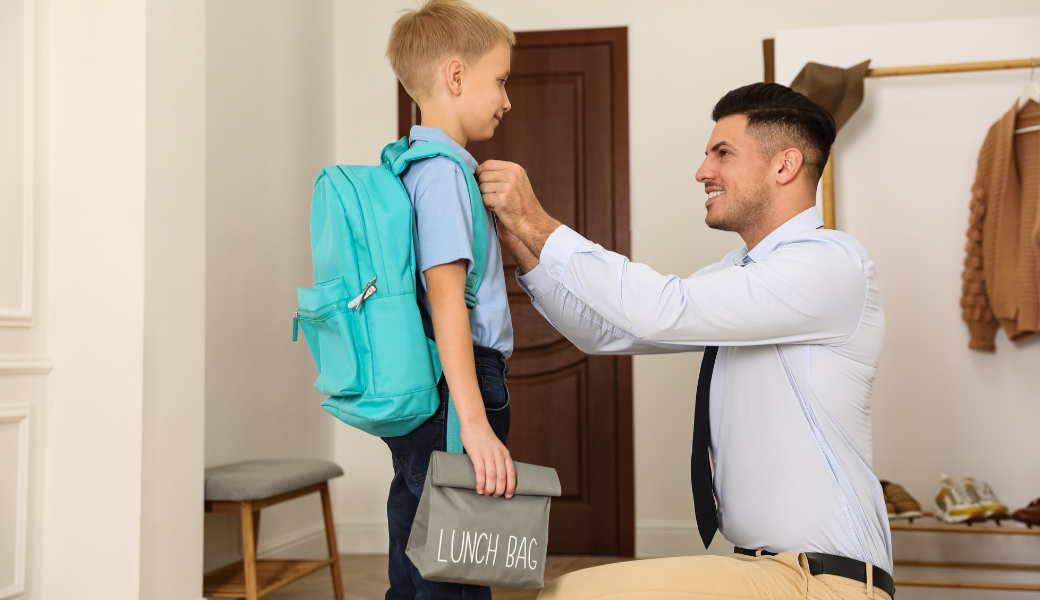
For many families, the morning school rush is the hardest part of the day. What should be a straightforward sequence of tasks, getting dressed, eating breakfast, gathering a bag, leaving the house, can become a daily source of stress, dysregulation, and conflict when a child's nervous system isn't equipped to manage the transition smoothly.
For neurodivergent learners in particular, the "ready for school" routine involves a complex and simultaneous orchestration of sensory regulation, executive functioning, and emotional preparation, all under time pressure, every single morning. When a child struggles with this process, it is rarely a matter of defiance. It is almost always a sign that the transition feels abrupt, overwhelming, or poorly supported.
At NeuroCore, we help families across Dubai build what we call a launchpad strategy, a set of predictable, personalised steps that move a child from the comfort and safety of home into the school day with confidence, dignity, and as much autonomy as possible.
Step One: Prepare the Environment the Night Before
The most effective way to reduce morning stress is to eliminate its most common causes the evening before. For children with executive functioning differences, searching for a missing lunchbox or locating a school shoe under time pressure is not a minor inconvenience, it is a genuine cognitive and emotional demand that can trigger dysregulation before the day has even properly begun.
At NeuroCore, we recommend creating a dedicated launchpad: a fixed, clearly defined area near the front door where the backpack, lunchbox, uniform, and any other essentials are set up and ready to go the night before. When the child participates in setting up this space, they gain a meaningful sense of ownership over their own morning, and the physical environment does the remembering so their brain doesn't have to.
Pair this with a simple visual checklist that the child works through during preparation. Ticking off items independently builds the self-advocacy and organisational skills that will serve them far beyond the morning routine.
Step Two: Address Sensory Comfort Before Departure
Sensory discomfort is one of the most overlooked contributors to difficult mornings, and one of the most clinically significant. A child who leaves home already struggling with the sensation of a scratchy collar, tight waistband, or stiff uniform fabric is arriving at school in a state of sensory deficit before the academic and social demands of the day have even begun.
At NeuroCore, we work with families to identify and address these sensory barriers proactively. This might mean checking uniforms for scratchy tags or uncomfortable seams, allowing the child to wear their uniform for a short time at home before the school week starts so the sensation becomes familiar, or identifying sensory-friendly alternatives that meet school dress code requirements.
Equally important is identifying what each individual child needs to regulate their nervous system immediately before departure. For some children, this is the grounding input of deep pressure, a firm hug, a brief weighted lap pad session, or some proprioceptive movement like carrying a heavy bag. For others, it is a short period of quiet and low sensory input to ease the transition gently. Neither is better than the other , what matters is knowing your child's specific regulatory needs and building that reset into the routine intentionally.
Step Three: Use Visual Timers and Buffer Warnings
A sudden "it's time to go!" announcement — however calmly delivered — can feel like a shock to a nervous system that wasn't prepared for the shift, particularly if the child was absorbed in a preferred activity at home. Predictability is one of the most powerful tools available for managing transition anxiety.
NeuroCore recommends using a visual timer that provides a concrete, external representation of the time remaining before departure. Unlike a verbal countdown, a visual timer allows the child to see the transition approaching gradually — giving their nervous system the opportunity to prepare rather than being caught off guard.
Buffer warnings at five minutes and two minutes create a structured runway into the transition, allowing the child to mentally close out what they were doing and begin preparing for the shift at their own pace — rather than feeling interrupted and overridden.
Step Four: Empower Your Child as the Leader of Their Own Morning
The final shift NeuroCore encourages is moving from a directive morning dynamic — where the caregiver issues a sequence of commands — to an interactive, child-led review that positions the child as the leader of their own preparation.
Rather than "go get your bag, put on your shoes, get in the car," try an interactive check-in: "Do you have everything you need?" or "What's our plan for getting to the car?" This simple reframe shifts the child from a passive recipient of instructions to an active participant in their own morning, building the self-direction skills that will serve them long after the routine is established.
For children who find the home-to-school transition particularly difficult, a transition object — a small, familiar, comforting item kept in a pocket or bag — can provide a meaningful sensory bridge between the two environments. This small continuity can carry a child through the anxiety of arrival and into the school day with a greater sense of security.
A Partnership, Not a Power Struggle
A well-designed school-ready routine should feel like a collaborative partnership, not a daily battle of wills. Our goal at NeuroCore is to ensure your child feels supported rather than rushed, prepared rather than pushed, and capable rather than managed.
If the morning routine continues to be a persistent source of distress despite these strategies, it is often a signal that the sensory or executive functioning supports currently in place need to be assessed and refined. This is exactly the kind of detailed, individualised work our clinical team specialises in.
How NeuroCore Can Help
If you would like support building a school-ready routine that genuinely fits your child's unique sensory and executive functioning profile, NeuroCore's team is here to partner with you. We work with families across Dubai to assess the specific friction points in the morning routine and build a personalised, practical plan that makes every morning a launchpad, not a battleground.
If you have concerns about your child's development, consult our BCBA or your pediatrician.