How ABA Strategies Help Students Transition Back After Mid-Term Break
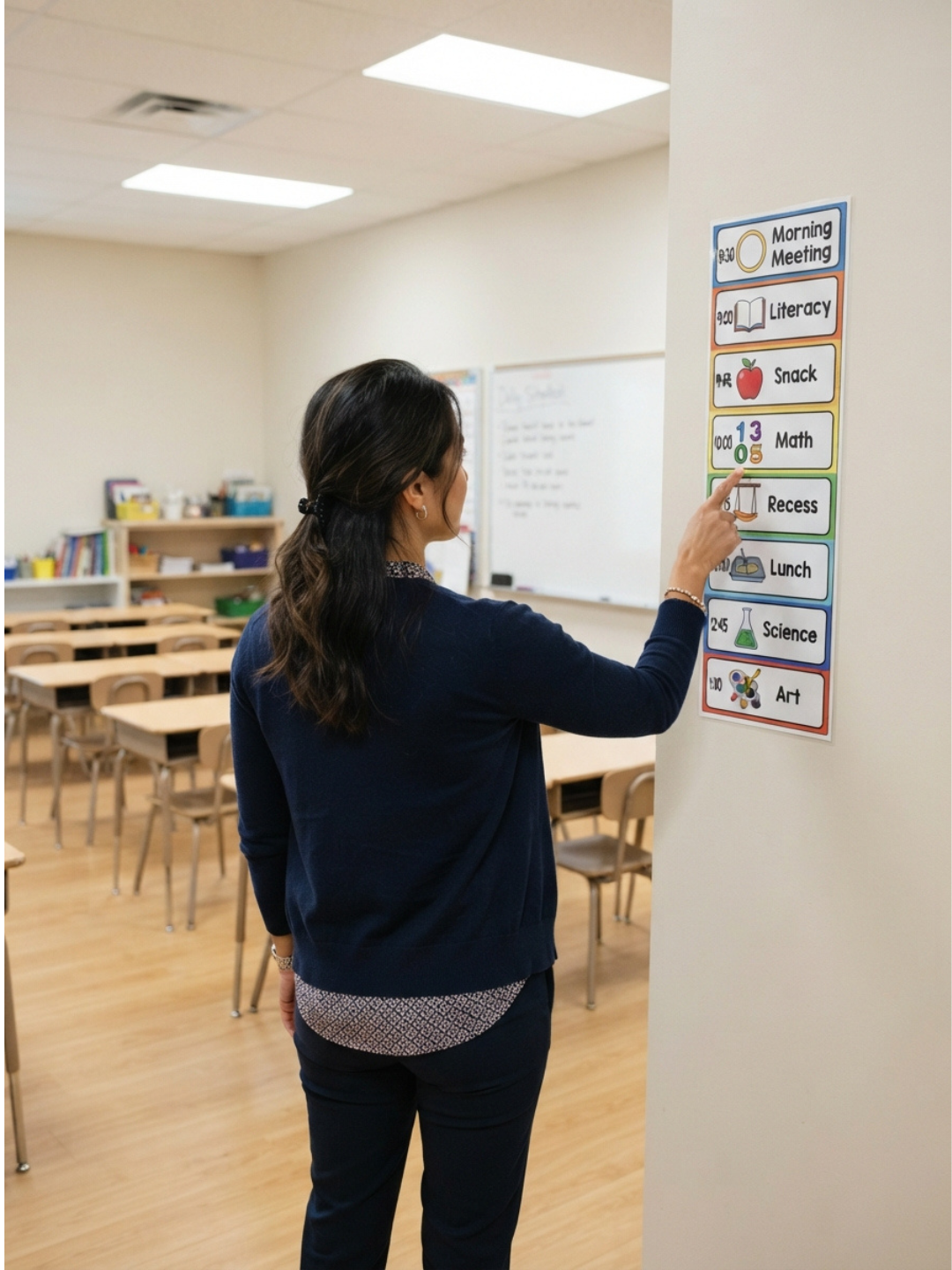
The week after the October mid-term break is one of the weeks in the Dubai school year where classroom behaviour is most likely to be challenging, particularly for students with autism. The break disrupts the routine that was beginning to settle after the first half of term, and the return to school asks the student's nervous system to readjust all over again.
For teachers who understand why this happens and have ABA-informed strategies ready, the week back can be navigated significantly more smoothly than it would be otherwise. For teachers who expect students to simply resume where they left off, it tends to be a frustrating and confusing week.
Why the Week Back Is Harder Than It Looks
By mid-October, most students with autism have begun to genuinely settle into the school year. The classroom has become familiar. The teacher's style and expectations are known. The daily routine has been practised enough that it feels predictable rather than uncertain.
The mid-term break resets much of this. After a week at home with a different rhythm, different demands, and the absence of the school routine, the nervous system has partially let go of the school-based patterns it was developing. The return to school requires re-establishing them.
For a student with autism, this re-establishment process is not automatic. It requires the same deliberate support that the initial settling period required in September, albeit typically for a shorter period.
What to Do on the First Day Back
Meet students at the door again. This was important in September and it is worth repeating now. A familiar adult at the door, using the student's name and guiding them clearly to where they need to be, reduces the activation of arriving back in an environment that has temporarily lost some of its familiarity.
Start with the visual schedule. Before anything else, orient the class to the day's structure. This is what we are doing today. This is the order. This is when break is. For students with autism, knowing the structure of the day is more important on the first day back than at any other point in the term.
Keep the first session low in demand. Resist the urge to use the first morning back to catch up on curriculum content. The first session should be accessible, familiar, and structured in a way that allows students to re-establish their sense of the classroom as a manageable environment before more demanding work is introduced.
Monitoring the First Week Back Closely
The week after mid-term is a week for close observation. Which students are taking longer to settle back in? Which transition points are producing the most difficulty? Is there a specific student who seems significantly more dysregulated than they were in the weeks before the break?
This observation is clinically valuable information. A student who re-settles within two or three days is adjusting well. A student who is still significantly dysregulated by the end of the week after mid-term may need additional support, either within the school, through their ABA therapist, or both.
Share what you observe with the parents of students who are struggling. A brief, specific message describing what you are seeing and asking whether the family noticed anything similar at home during the break is both practically useful and relationship-building.
How NeuroCore Supports This Transition
NeuroCore's clinical team is actively monitoring client data during and after every school break. The treatment plan adjustments described in the earlier post in this series, reducing targets, increasing regulation focus, and building school-specific skills, apply after mid-term as much as they do at the start of term.
If you have concerns about a student's development, encourage the family to consult our BCBA or their pediatrician.