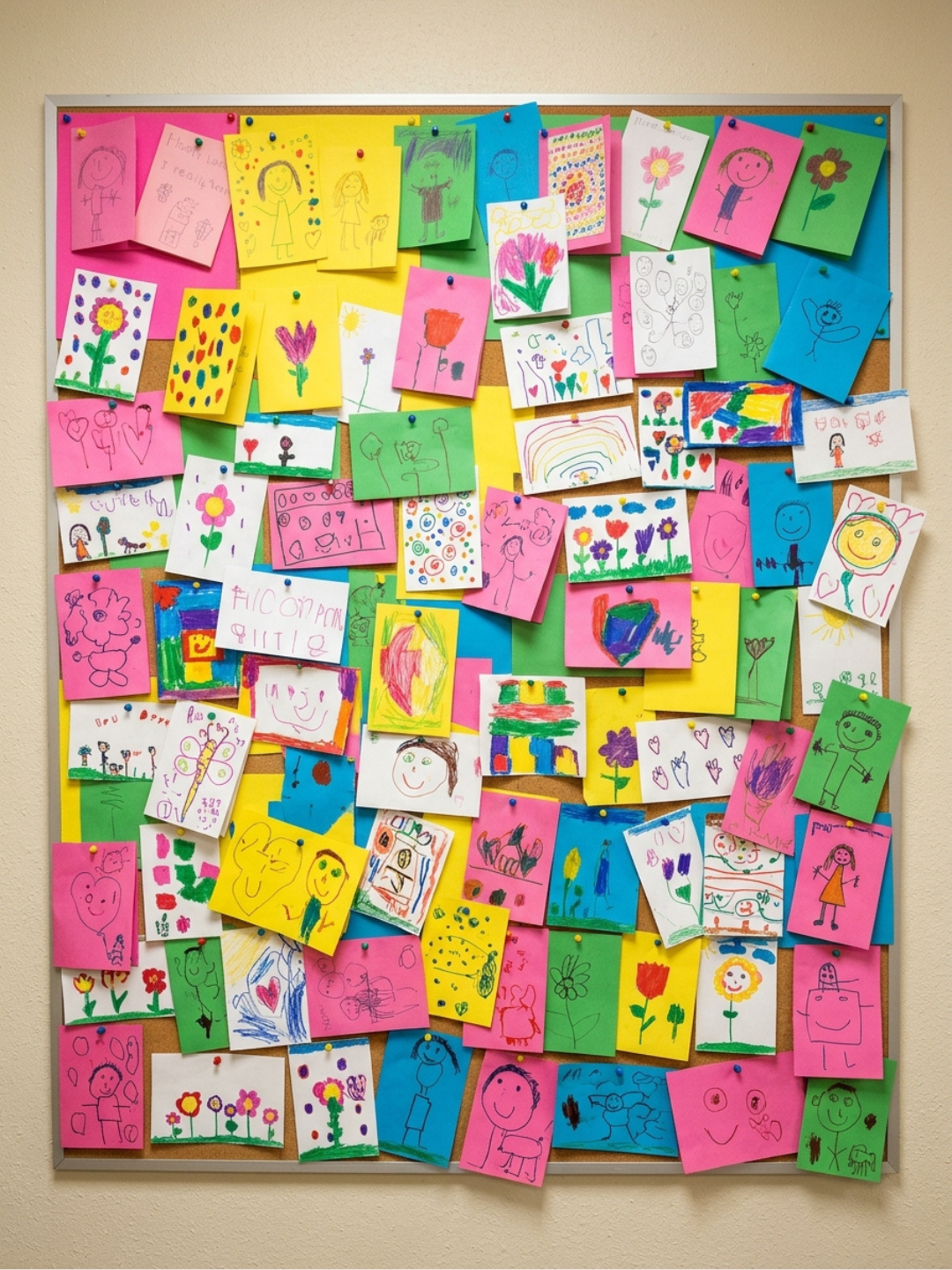
Today is World Kindness Day. It is a day to celebrate deliberate kindness and to recognise that kindness in a classroom is not just a nice atmosphere to aim for. It is a clinical and educational condition that makes genuine learning possible.
At NeuroCore, we want to use this day to make a specific argument: the principles of ABA therapy and the practice of genuine classroom kindness are not separate conversations. They are the same conversation. Building a kinder classroom and building a more effective learning environment are the same project.
Kindness as a Behavioural Condition for Learning
ABA practice tells us that behaviour is shaped by its environment. What the environment reinforces increases. What the environment punishes or ignores decreases.
A classroom environment that is consistently positive, where children receive genuine, specific, frequent acknowledgement for their efforts and achievements, where mistakes are treated as information rather than failures, and where the ratio of positive to corrective interactions consistently favours the positive, produces measurably different learning outcomes and behavioural profiles than a classroom where most interactions are corrective.
This is not a soft claim. It is a documented behavioural reality. The reinforcement environment of a classroom shapes the behaviour and the emotional experience of every student in it.
For students with autism, ADHD, learning differences, and anxiety, the quality of the reinforcement environment is even more determinative of their daily experience. A student who is already managing significant regulatory demands simply to be present in the classroom does not have the reserve to sustain learning in an environment that is primarily corrective.
What ABA-Informed Kindness Looks Like in Practice
Catching effort rather than only outcome. A student with autism who attempts to join a group activity and is rebuffed by peers has made a significant social attempt that deserves acknowledgement from the teacher, regardless of whether the outcome was successful. Acknowledging the attempt, specifically and genuinely, reinforces the behaviour the student needs to keep developing.
Using specific rather than generic praise. Good job conveys almost nothing to a student who does not know what specific behaviour earned the response. You waited your turn to speak even though you had an answer ready is specific, immediate, and tells the student exactly what they did that mattered. Specificity is kindness in a clinical form.
Responding to function rather than form. A student with autism who pushes a peer is not being deliberately unkind. They may be trying to initiate play in the only way currently available to them. Responding to the function of the behaviour, the desire for social interaction, rather than only to the form, the pushing, allows the teacher to redirect toward a more appropriate initiation while honouring the underlying social motivation.
Creating opportunities for every student to succeed. Kindness in a classroom includes designing learning activities that offer every student an accessible entry point, so that no child sits in a lesson watching peers demonstrate competence in something they have no way to access. Universal design for learning and ABA’s principle of teaching at the student’s actual level are the same principle in different language.
Building a Culture of Kindness That Extends Beyond the Teacher
One of the most lasting contributions a Dubai classroom teacher can make is building a culture where students are actively kind to each other, particularly to students with differences.
Peer-mediated kindness is not something that happens automatically. It is taught. When teachers create structures where neurotypical students are supported and reinforced for positive interactions with students who have developmental differences, the classroom culture shifts in ways that benefit every student in the room.
If you have concerns about a student’s development, encourage the family to consult our BCBA or their pediatrician.