5 Steps to Starting ABA Therapy for Your Child in Dubai
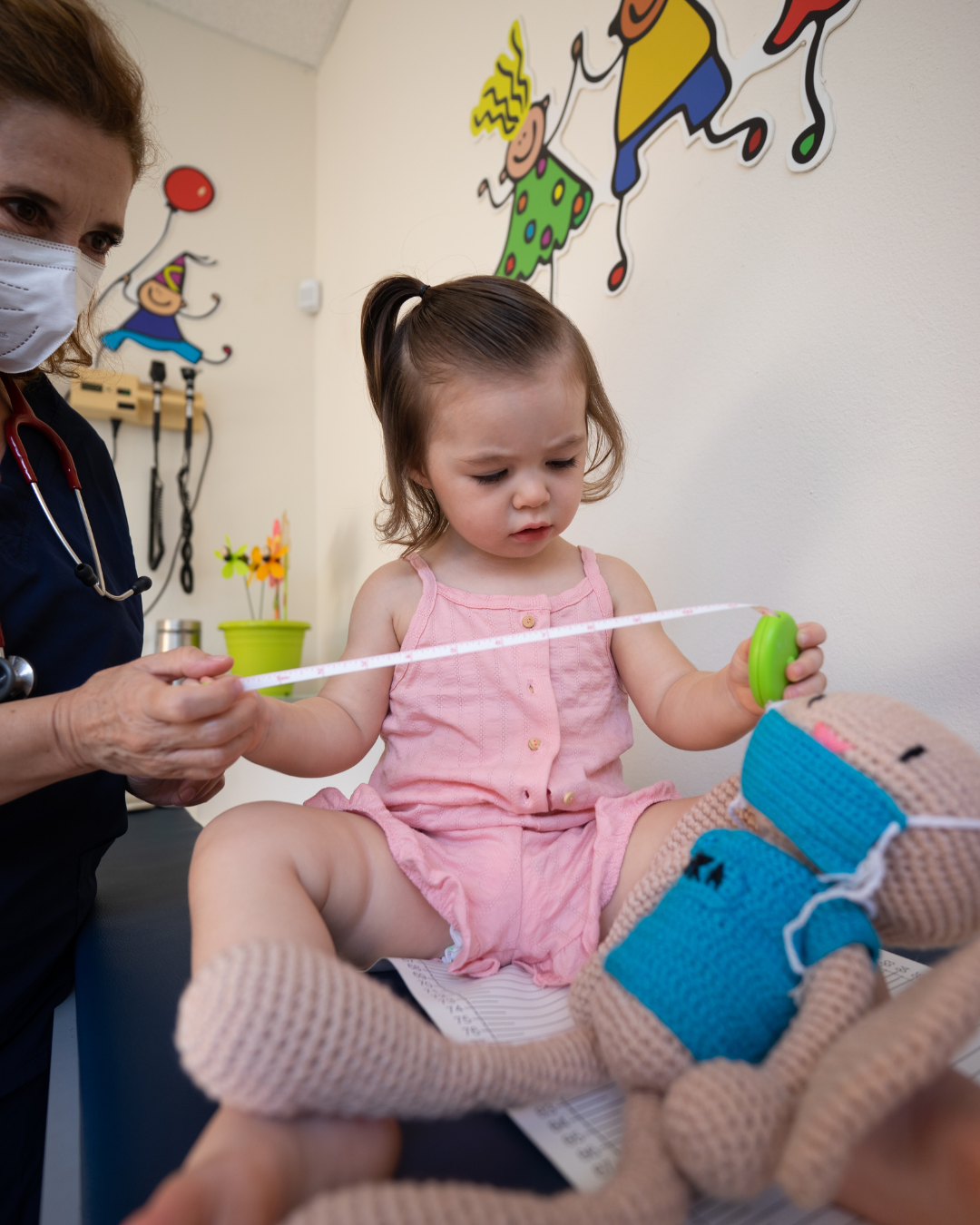
Deciding to pursue ABA therapy for your child is a significant decision — and once you've made it, knowing exactly what comes next can make the process feel far less overwhelming. For families in Dubai, the path from "we think our child needs support" to "therapy is underway" typically follows five clear steps. Here's exactly what to expect at each stage.
Step 1: Get a Formal Diagnosis or Developmental Assessment
Before ABA therapy can begin, your child generally needs a formal autism spectrum disorder diagnosis or developmental evaluation from a qualified professional, typically a developmental pediatrician, child psychologist, or psychiatrist. In Dubai, this evaluation can be done through a licensed clinic or hospital, and many families also seek a second opinion or comprehensive assessment to ensure the diagnosis is thorough and accurate.
This step matters not just for clinical clarity, but because most quality ABA providers will use this assessment to inform the very first version of your child's treatment plan.
Step 2: Choose the Right ABA Provider
Not all ABA providers operate at the same standard. As you research options, it's worth evaluating:
Whether the program is directly supervised by a Board Certified Behavior Analyst (BCBA), and how frequently
Whether services are offered in-home, in-school, in a center, or a combination
The provider's approach to parent involvement and coaching
How progress is measured, tracked, and communicated to families
The experience level and consistency of the therapists who will actually work with your child
At NeuroCore, we encourage families to ask all of these questions directly during an initial consultation, before committing to a provider.
Step 3: Initial Assessment and Goal-Setting
Once you've selected a provider, the next step is a comprehensive intake assessment. A BCBA will typically observe your child, gather background information from you, and identify priority areas — communication, social skills, daily living skills, behavior reduction, academic readiness, or a combination.
This is also the stage where you, as the parent, should feel free to be specific about what matters most to your family. The clearer your goals, the more precisely your child's program can be built around them.
Step 4: Treatment Plan Development
Based on the assessment, your BCBA will design an individualized treatment plan outlining specific, measurable goals, the recommended frequency and structure of sessions, and the strategies that will be used to teach new skills. A strong treatment plan isn't static — it should be reviewed and adjusted regularly as your child progresses.
At this stage, it's also worth clarifying logistics: where sessions will take place (home, school, or both), how many hours per week are recommended, and how scheduling will work around your family's routine.
Step 5: Begin Therapy and Track Progress
With a plan in place, therapy begins — typically with a trained therapist delivering sessions under the ongoing supervision of your child's BCBA. From here, consistent data collection becomes central to the process. Every session should generate progress data that's reviewed regularly, allowing the plan to evolve as your child develops new skills or as priorities shift.
Parents should expect regular updates — not just raw data, but clear explanations of what progress looks like, what's working well, and what adjustments are being made and why.
What Makes This Process Smoother
A few things tend to separate families who have a smooth start from those who feel stuck in logistics:
Asking detailed questions upfront, rather than assuming all providers operate the same way
Being clear about goals and priorities from the very first consultation
Choosing a provider that builds genuine consistency — the same therapist and BCBA staying involved over time, rather than frequent turnover
Staying engaged in parent coaching, since caregiver involvement is one of the strongest predictors of long-term progress
How NeuroCore Supports Families Through Every Step
NeuroCore guides families through this entire process — from coordinating around your child's diagnosis, to building a customized treatment plan, to delivering consistent, high-quality therapy in your home or your child's school. Our team handles the clinical complexity so you can focus on what matters most: your child.
Getting Started
If you're ready to take the first step, the best place to begin is a private consultation with our clinical team. We'll walk through your child's history, discuss your goals, and explain exactly what the process would look like for your family from start to finish.
If you have concerns about your child's development, consult our BCBA or your pediatrician.